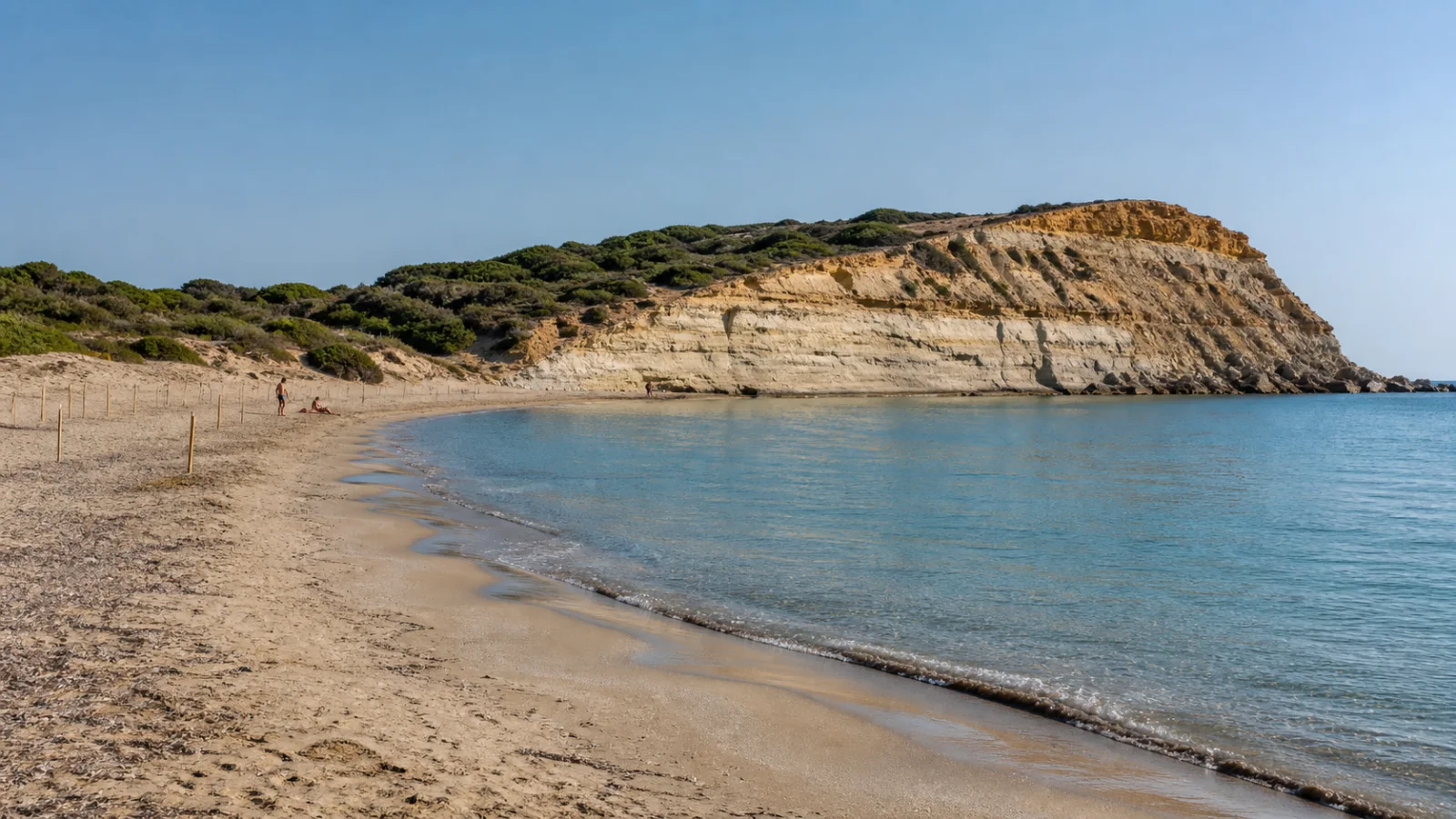
The best time to visit Zakynthos depends on the holiday you want, because every warm month does not give you the same island. In May, the roads and beaches feel spacious but the sea can still make you hesitate. By August, the water is warm and the island is in full swing, but a famous cove can require more patience than you expected. September keeps much of the summer pleasure and changes the pace.
For most people, the best choices are late May to June or September. Choose June if you want long beach days and a wide choice of boat trips before peak summer. Choose September if warm water and easier evenings matter more than the longest days. July and August are still the right months for school-holiday groups, nightlife and the fullest version of the island; they simply come with heat and crowds.
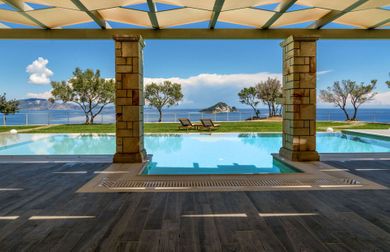
Once you have dates in mind, compare the exact location of our places to stay in Zakynthos. The month and the base work together here. A lively week in central Laganas and a quiet week near Skinari can feel like different islands, even in the same weather.
Which Month Suits Your Zakynthos Holiday?
April to early May: best for green landscapes, walks, Town and Easter when the dates line up. Too early for a dependable swim-and-boat holiday.
Late May and June: the best early-summer balance. June is the safer choice if warm-water swimming matters; May is quieter and better for exploring without strong heat.
July and August: best for the warmest, liveliest holiday and the fullest resort choice. Expect the hottest days, busiest roads and most competition at small beaches and boat departure points.
September: our best all-round choice for couples and adults who can travel outside school dates. The sea is still warm, but beaches and dinner feel less compressed as the month goes on.
October to March: early October can still produce lovely beach days, but weather and seasonal services are less dependable. Late autumn and winter suit Town, food, walks and local life rather than a conventional beach holiday.
Late May and June for the Early-Summer Balance
May is when Zakynthos starts to look ready before the water always feels ready. Average daytime temperatures rise quickly, rain is much less common than in April, and the island is green from the wetter months. It is a comfortable time for Vasilikos walks, Bohali, villages and the long drive north without planning the whole day around the heat.
The compromise is the sea. Some people swim happily in May; others stand ankle-deep and decide the pool was a better idea. If several hours in the water are central to the holiday, late May is a calculated choice rather than a certainty.
June is easier to recommend. The usual climate becomes hotter and drier, the sea has had more time to warm and the island's summer rhythm is established. Beaches and harbours are busy without normally carrying the full pressure of the school-holiday peak. A family with pre-school children, or a couple who wants both beaches and exploring, will often find June the simplest answer.
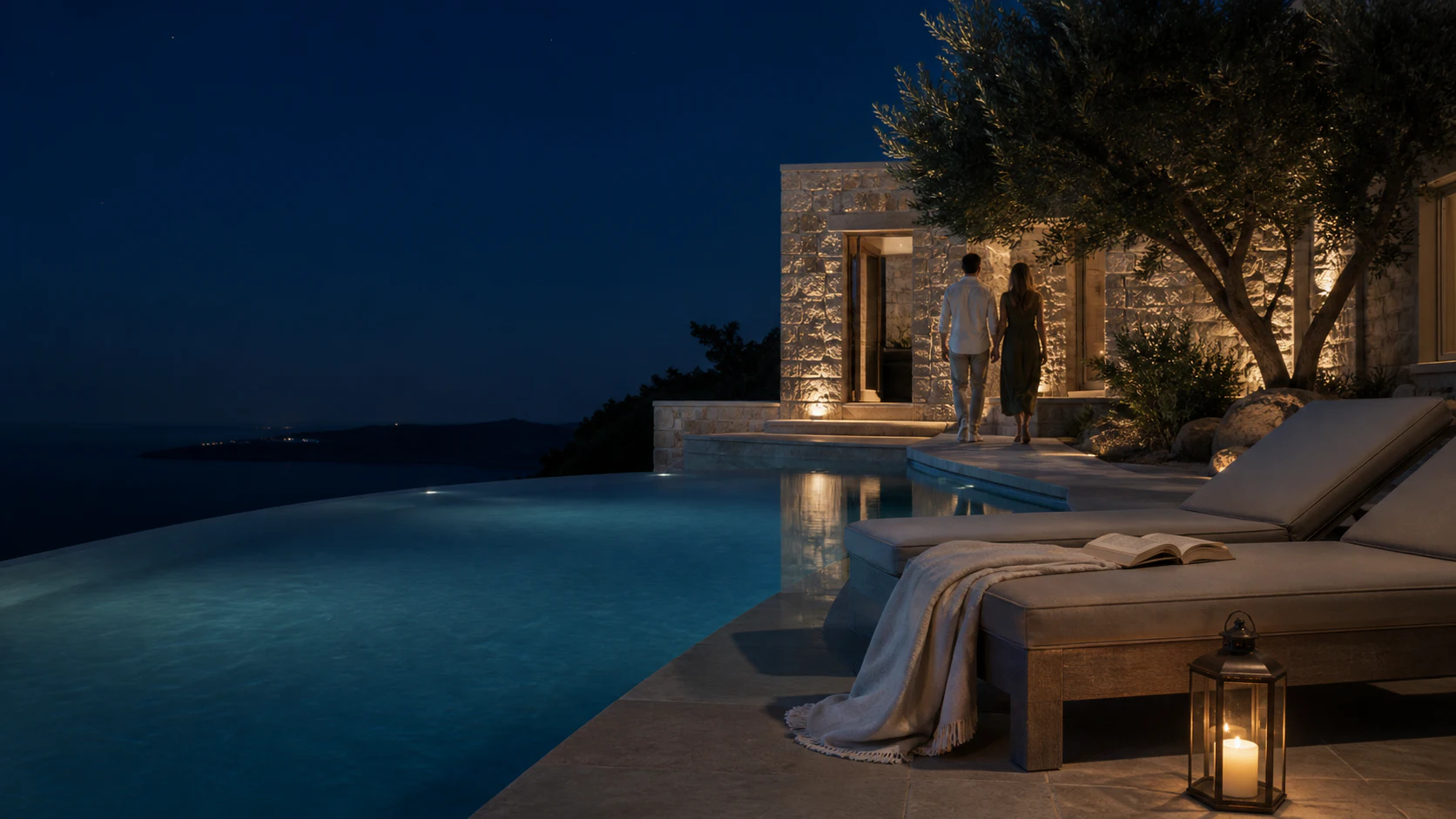
It is also a good month for a villa above the north or west coast. You can spend a morning on the water, stop in a village later and still want to eat outside in the evening. That sounds ordinary, but it is the rhythm people sometimes lose in August when the middle of the day becomes something to manage.
July and August for Full Summer
High summer is not merely the busy period to avoid. It is Zakynthos at full volume: warm water, hot beach days, late dinners and the broadest resort evening choice. If you are travelling with school-age children, meeting a large group or coming for Laganas nightlife, July or August may be the only answer that fits — and it can be the right one.
The trade-off appears in small moments. A late start can mean circling for parking at a compact cove. The road behind a popular beach can feel slower. A boat that looked spacious online can become part of a busy run of departures. None of this ruins the island, but trying to fit three headline sights into one afternoon usually does.
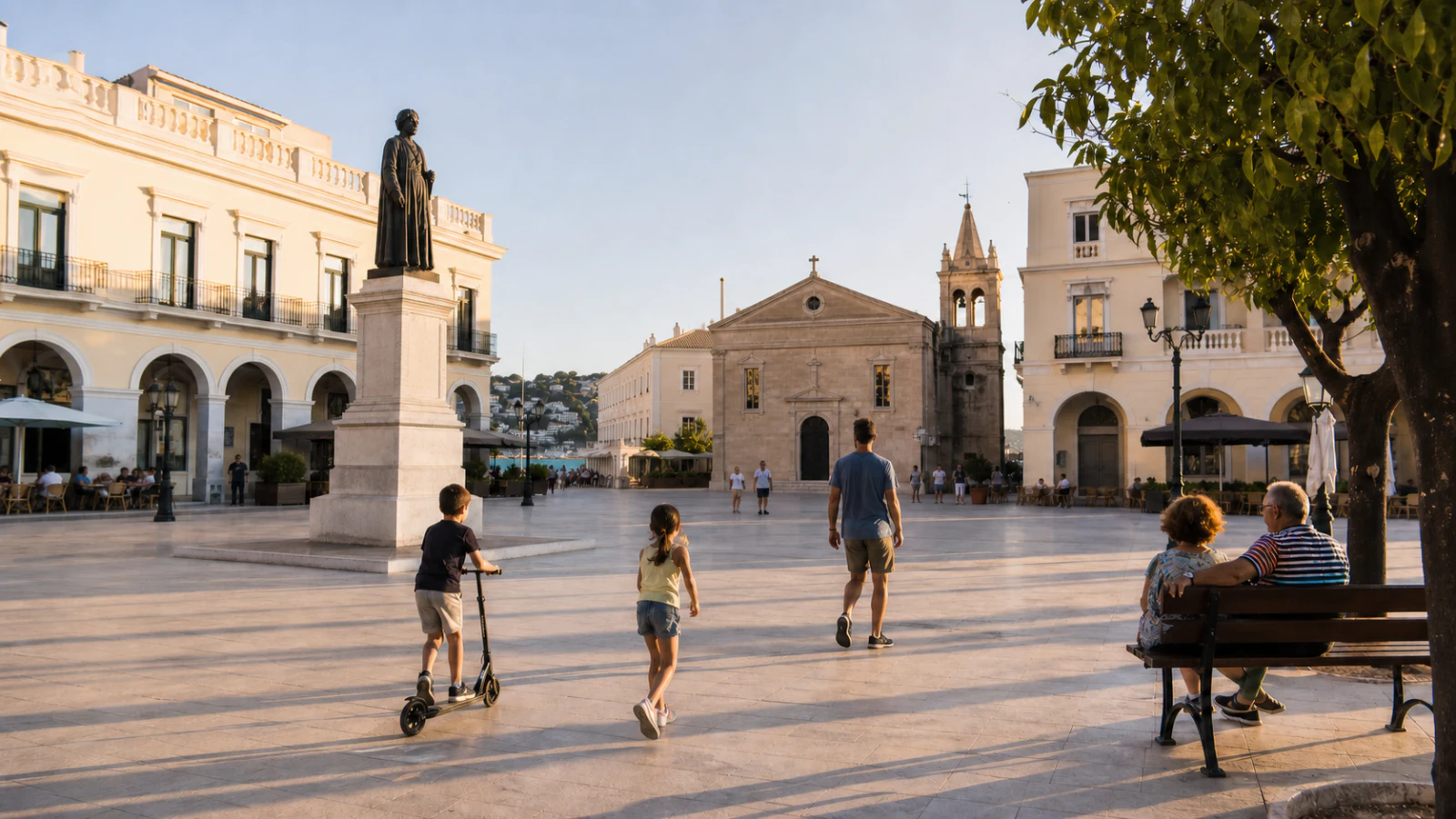
Make one important plan each day and let the rest be easy. If a beach matters, arrive before the day has gathered momentum. If Town is the plan, go for an unhurried evening rather than squeezing it in after a north-coast drive.
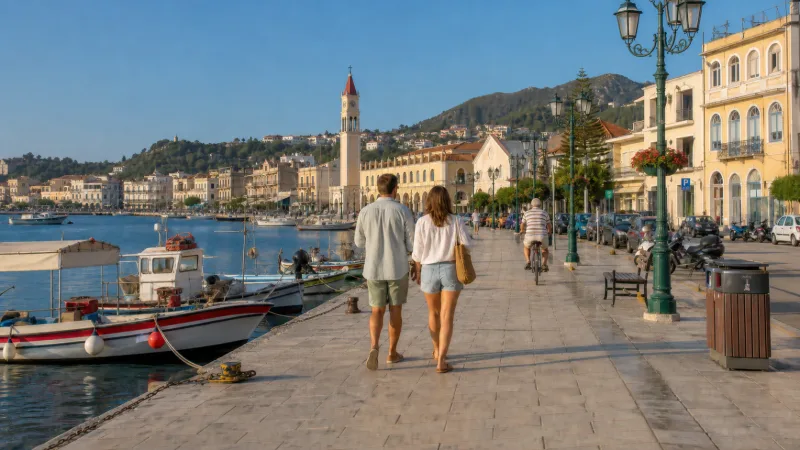
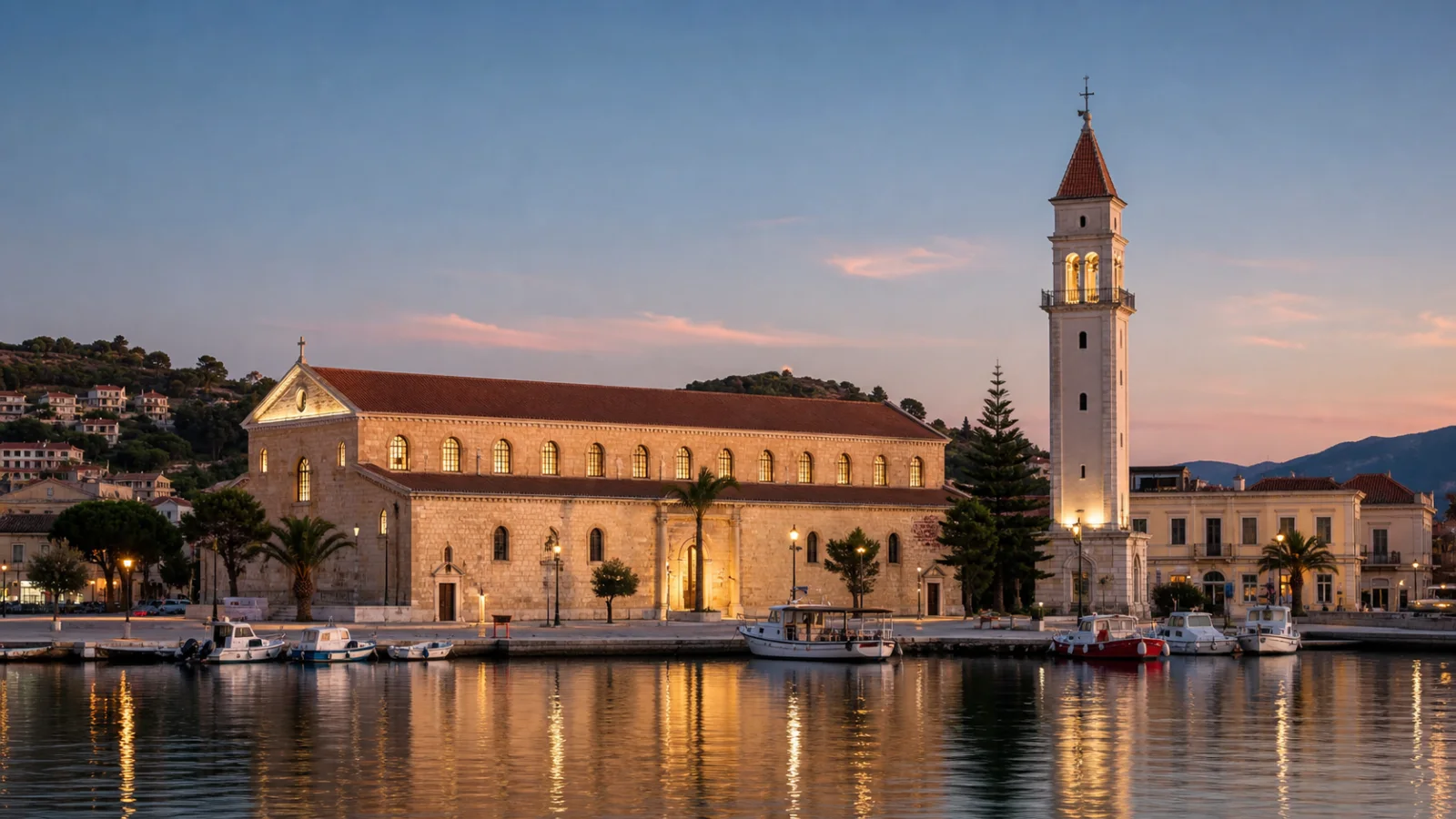
The church of Saint Dionysios celebrates the island's patron saint on 24 August. It gives Zakynthos Town a particular local focus at an already busy time of year. Go because the celebration matters to the island, not because you expect the waterfront to behave like an ordinary August evening.
September for Warm Water and Easier Evenings
If we had to choose one month for most adults, it would be September. The sea carries the warmth of summer, the average daytime temperature remains comfortably high and the chance of rain is still much lower than in October. What changes first is not the weather but the pressure around it.
Early September still feels close to peak season. By later in the month, dinner is easier to arrange, the road home is calmer and small beaches have more room. Do not read that as empty. Popular boat routes and resorts are still active, and a settled Saturday can be busy. It is simply a better balance.
The island's inland rhythm also becomes more visible. Blue Caves Villas' northern calendar describes grape pressing from the end of August into September and almond harvest later in the month. That is one partner's local programme, not an island-wide visitor promise, but it is a useful reminder: Zakynthos is working land as well as a summer coast.
September particularly suits a couple dividing the week between Keri, Vasilikos, Town and time at the villa. It also suits groups whose perfect evening is dinner by the water rather than a full club calendar. If nightlife is the main event, come earlier; if quiet and a warm swim matter equally, come later.
April, Early May and October Are Different Holidays
Shoulder season is often sold as high summer with lower prices. That is too smooth. At the outer edges, you are choosing a different version of Zakynthos.
April and early May suit walking, villages and time in Zakynthos Town. Orthodox Easter can bring processions, church services and family feasts when it falls within your dates. The island is greener, afternoons are mild and the main sights are quieter. Resort businesses, however, do not all start together, and the sea is cool for most swimmers.
October reverses the problem. The water can retain summer warmth, especially early in the month, but the weather becomes more changeable. The National Observatory's climate record shows a sharp rise in average rainfall from September to October. A beach day is still possible; building the whole week around seven of them is a gamble.
In the far north, the partner calendar moves into olive harvest from October. That gives the island a grounded autumn character, but it does not keep every beach bar, boat route or resort restaurant running. Check what matters near the actual villa rather than asking whether “Zakynthos is open” as if the island had one set of doors.
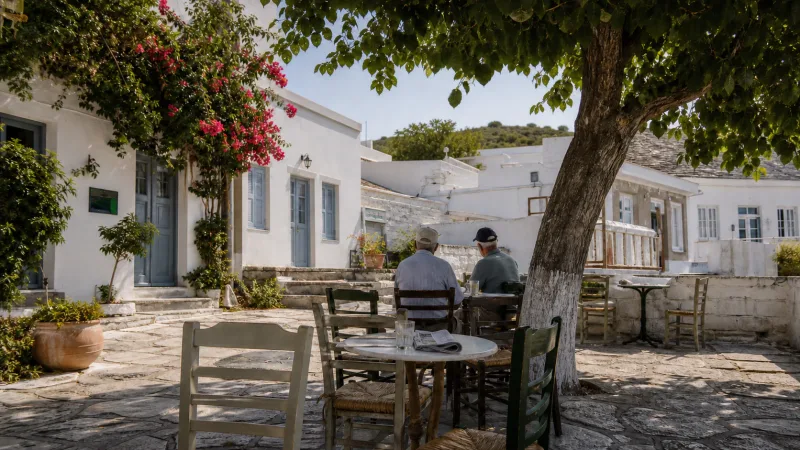
Winter goes farther again. Zakynthos Town and resident villages continue their ordinary lives while resort areas become very quiet. Come for walks, food, churches and a slower island; do not come expecting the summer holiday at half speed.
Give Boat Trips a Weather Buffer
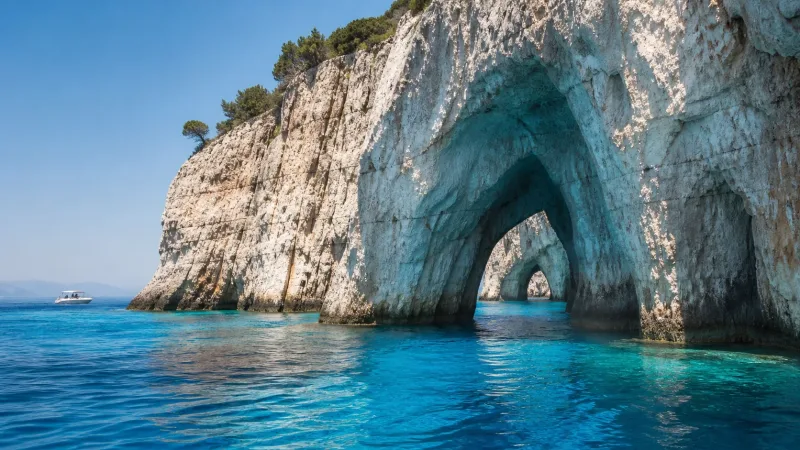
Boat days are one reason to choose Zakynthos, whether you are leaving from Agios Nikolaos for the Blue Caves or from the Keri side for the southern coast. They are also the part of the itinerary least suited to a rigid final-day plan.
The calendar cannot guarantee a calm sea. Wind direction, local conditions and the operator's judgement decide whether a route goes ahead and how comfortable it will be. A beautiful June average is not permission to ignore the forecast on a particular morning.
If one boat trip matters, leave at least one alternative day. Ask the operator what happens if conditions change and follow current access instructions for the exact route. Do not build the trip around old advice for Navagio or assume a photograph proves where a boat may land today.
There is another advantage to the spare day. The north is not just a departure point. Agios Nikolaos has a working harbour, places to eat and a small everyday centre; Keri has a different, slower waterfront. A changed boat plan need not become a lost day.
Turtle Season Changes How You Use the Beach
Loggerhead turtles nest around Laganas Bay, and the conservation season overlaps the months most visitors want for the beach. ARCHELON's Zakynthos programme describes nesting from roughly mid-May to mid-August and hatching from mid-July to late September. Those dates explain why August and September can have both nests and hatchling activity. They do not guarantee that a visitor will see either.
The protected-beach rules matter more than the sighting. Official Marine Park guidance permits public access to the designated nesting beaches from 07:00 until sunset, asks visitors to stay on the narrow strip near the water and to keep away from marked nests. If hatchlings emerge, do not touch or carry them. Follow the current signs and rangers at the individual beach.
Gerakas, Dafni, Kalamaki and Marathonisi are not wildlife attractions with scheduled appearances. A good visit is one where the beach is used gently, whether or not a turtle is seen.
Your Base Changes the Best Month
Central Tsilivi, Kalamaki and Laganas have the clearest resort rhythm. That makes them easier at the start or end of the season if walking to several places for dinner matters. It also means their busiest weeks feel busier.
Vasilikos, Keri, Marathias and the north give you more space, distinctive coastlines and a day that revolves less around a centre. They can be wonderful in June and September, but a closed local taverna or cancelled boat matters more when the next choice is a drive away.
The label is only the beginning. “Keri” can mean the waterfront at Limni Keriou or the village uphill. “Vasilikos” is a long peninsula rather than one resort. For the full comparison, read our guide to where to stay in Zakynthos.
Which Month Would We Choose?
For a family with children below school age, we would choose June: it feels like a proper summer holiday without quite as much peak-season friction. A couple who can travel later would get more from September, when the water is warm, evenings are easier and the island still feels alive.
School-holiday families and large groups should not feel they have chosen badly by coming in July or August. A well-located villa and one good plan per day matter more than chasing a supposedly perfect month. Walkers will find late April or May more comfortable, with swimming treated as a bonus until the water warms; nightlife belongs to July, August and the livelier start of September.
For a boat-led week, June and September are the best balances, but we would still leave a spare day. The month never replaces the morning forecast or the operator's judgement.