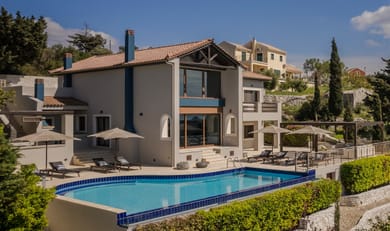
 Photo 1 of 4 for Villa Karmaniolos
Luxury villas in Kefalonia
Planning a villa holiday in Kefalonia
Kefalonia tends to catch people off guard, and in the best way possible. The colour of the water alone is enough to stop you in your tracks. It is the largest of the Ionian islands, green and mountainous, with Mount Ainos rising to over 1,600 metres at its centre and a coastline that swings from white pebble coves in the north to long sandy beaches in the south.
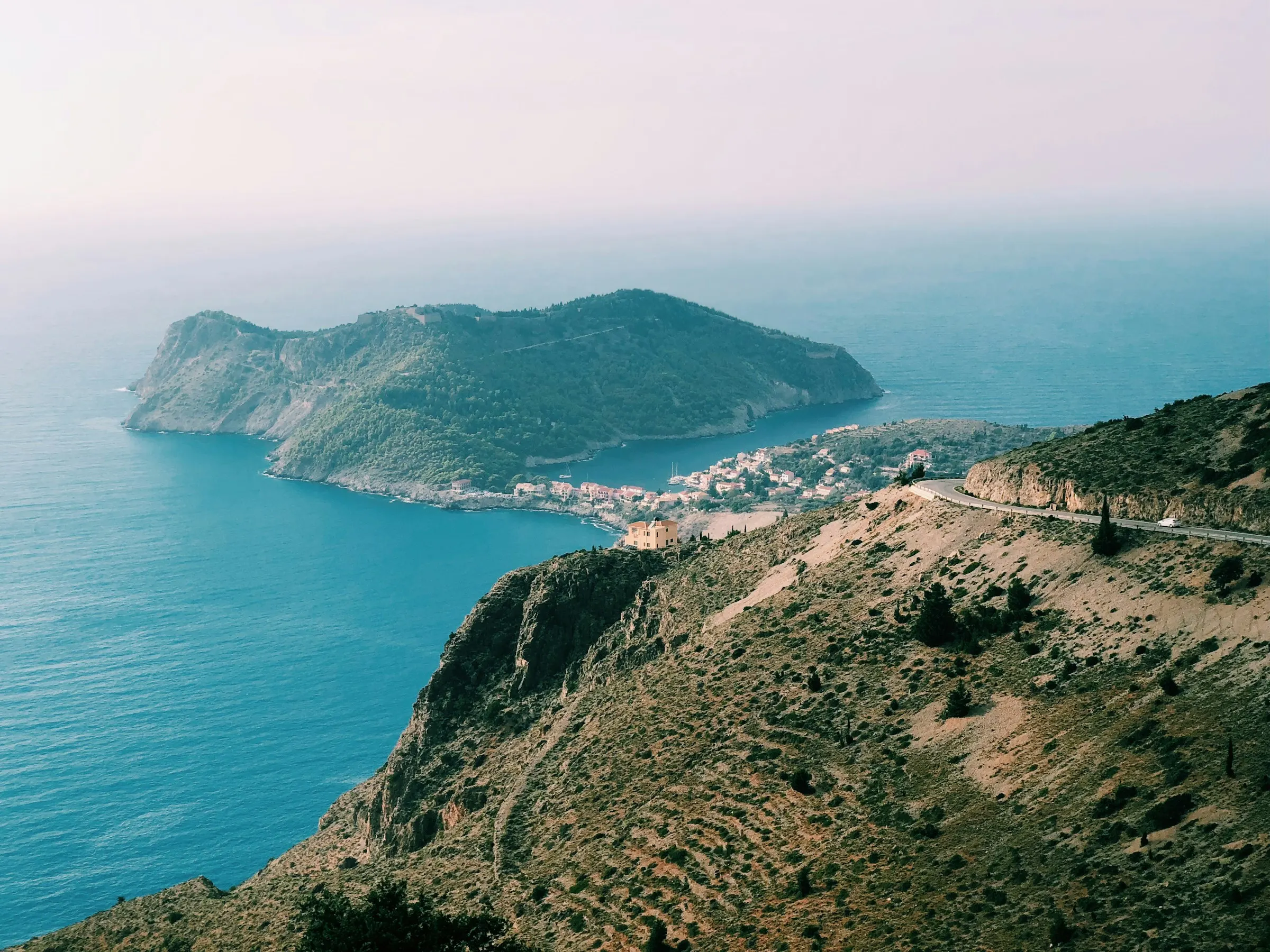
That north or south difference is the real decision. The north is hilly and scenic: Fiskardo's harbour, Assos on its fortress peninsula, pebble coves with deep clear water. The south is where the sand is: Skala's long beach, Lourdas and Trapezaki under the hills, easy family logistics. Nobody should book Kefalonia by the island's name alone; pick your end first.
Being Ionian, Kefalonia is also spared the worst of the summer wind that hammers the Aegean: the meltemi has far less effect here, and July and August seas are typically gentler for swimming and boat days.
Where to stay in Kefalonia
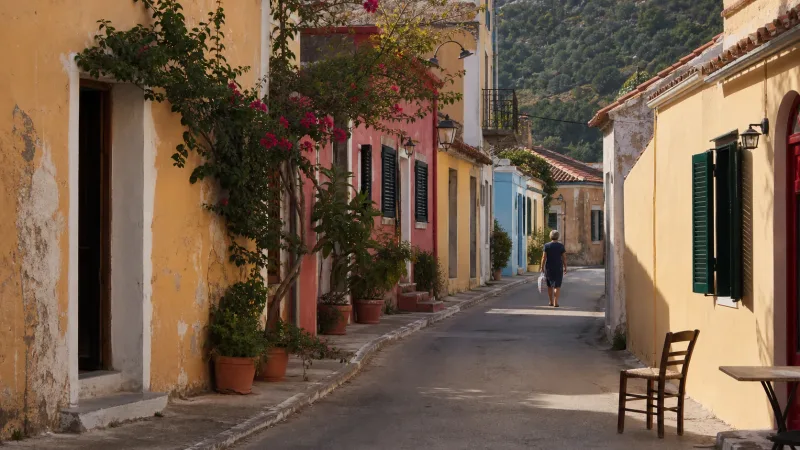
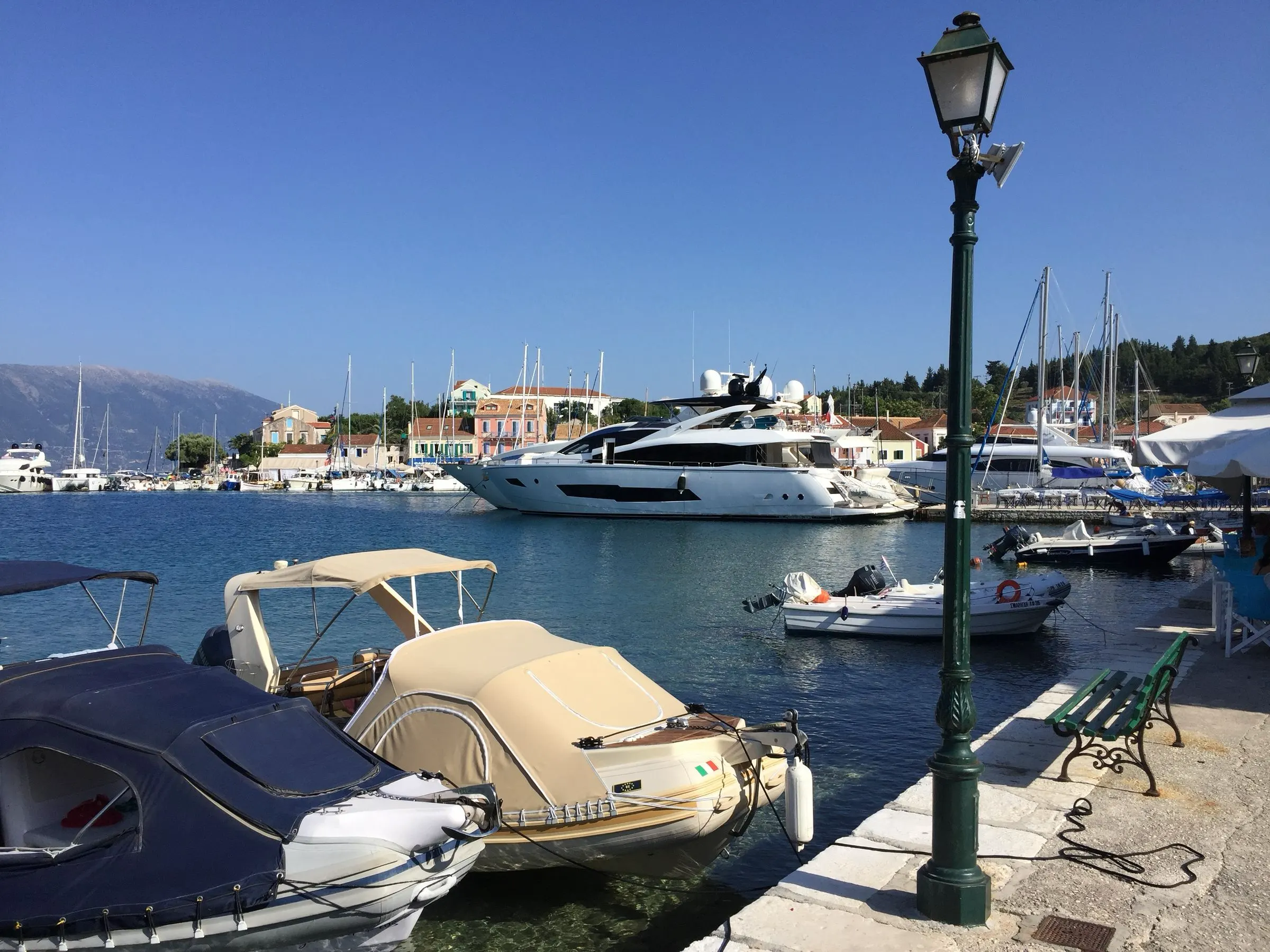 Fiskardo and the northThe one corner of the island the 1953 earthquake spared, which is why Fiskardo still has its pastel Venetian-era harbour while the rest of the island was rebuilt. Today it is Kefalonia's upmarket address: yachts, waterside dinners and hillside villas with sea views, with Assos and its castle a winding drive south. Choose the north for scenery and evenings by the water rather than long sandy beaches.Skala, Katelios and the south-eastLong sandy beaches, flat approaches and a self-contained resort village make this the island's family end. Skala has the easiest beach-to-taverna week on Kefalonia.Lourdas, Trapezaki and the south coastVillages above a green coastal strip with quieter sand below, and Spartia continues the quiet run to the west; a good middle way between scenery and beach practicality.
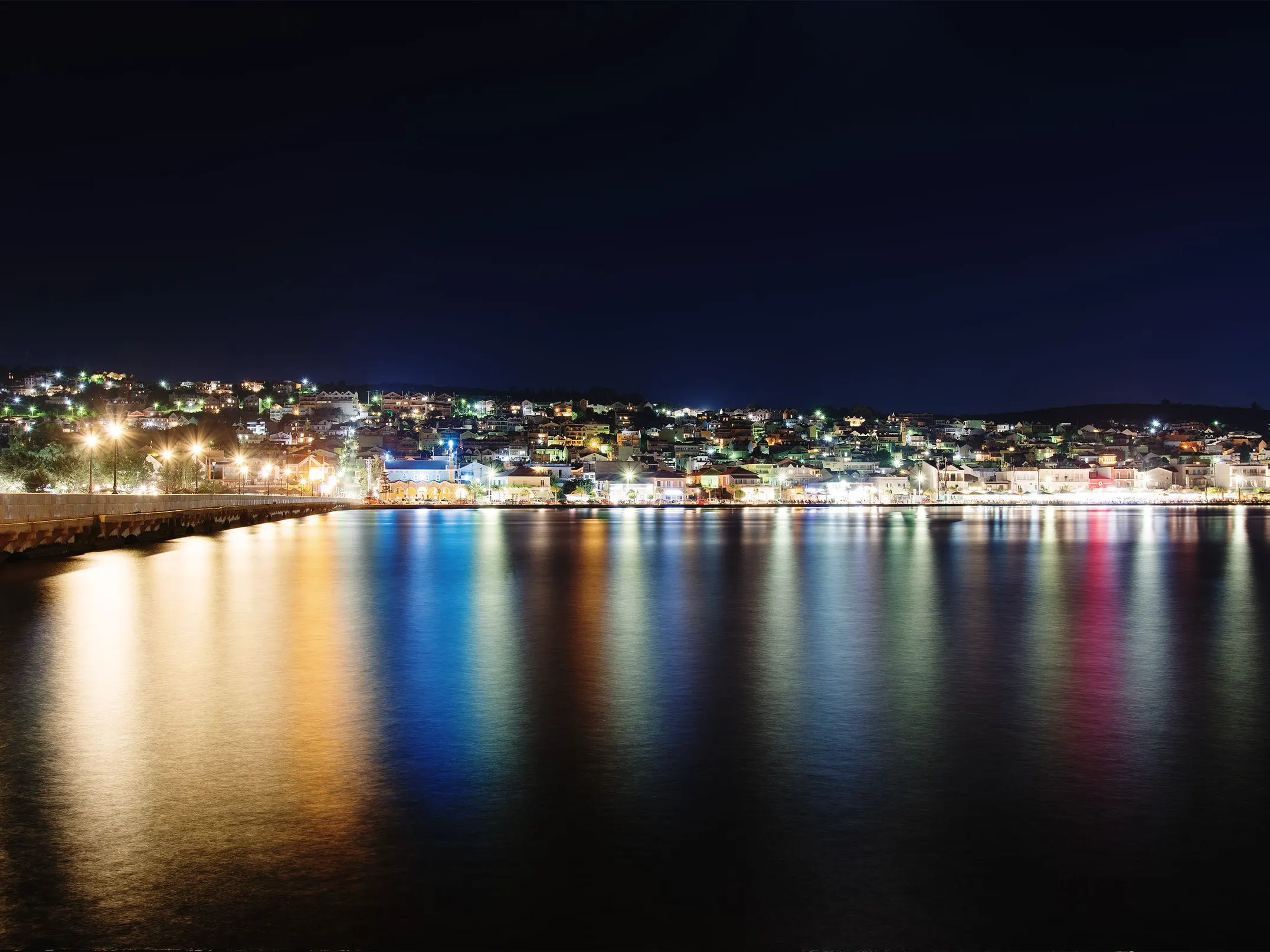 Argostoli, Lassi and the centreThe capital keeps the island's working life, with Lassi's organised sandy beaches just over the hill and the airport close. Watch the harbour early in the morning: loggerhead turtles feed inside the town's lagoon and along the quay.Lixouri and the Paliki peninsulaA short ferry across the gulf or a longer drive; red-sand Xi and cliff-backed Petani reward the detour, and the peninsula stays quieter than the main island.
None of these areas has its own Bnbstay page yet; a villa specialist can shortlist stays in any of them from the full Kefalonia collection, and our guide Where to Stay in Kefalonia compares every base in detail.
Kefalonia villas with private pools and sea views
Start with a first selection below, or narrow it to the stay you have in mind. Accommodation type is always labelled: a suite never renders as a villa.
Photo 1 of 4 for Villa Karmaniolos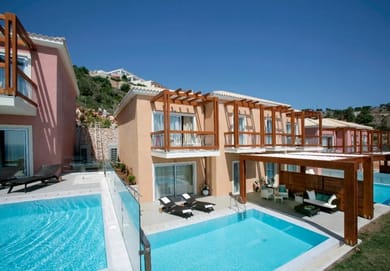 Photo 1 of 4 for 2-Bedroom Sea View Villa with Private Pool
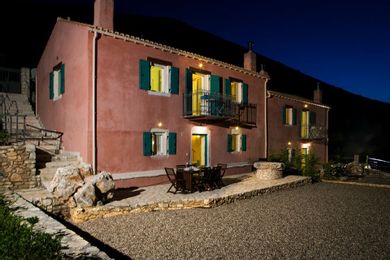 Photo 1 of 4 for Villa Vada
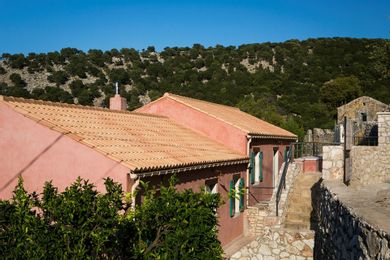 Photo 1 of 4 for Villa Rosa
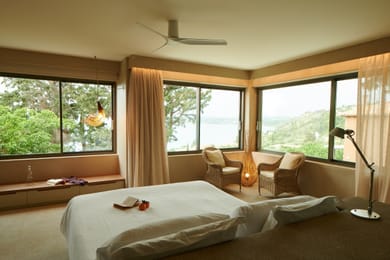 Photo 1 of 4 for TWO BEDROOM VILLA
 Photo 1 of 4 for ONE BEDROOM VILLA
Why visit Kefalonia?
The island has an unspoilt character that suits families, groups and couples who want relaxation with real exploring on the side. Its scale is the point: a proper mountain at its heart, five ports around its coast, caves with underground lakes, its own PDO wine, and beaches that would headline smaller islands. It stays greener and quieter than its fame suggests, because the distances spread people out.
Kefalonia's story includes the 1953 earthquake that levelled almost every town on the island; Argostoli and Lixouri were rebuilt, and Fiskardo's survival is why its harbour looks the way it does. Today that history is heritage rather than worry: modern Greek buildings are built to seismic codes, and UK government advice carries only the standard Greece-wide guidance.
Things to do in Kefalonia
The island's headline sights are spread across real distances, so pair each day's plan with the end of the island you are in.
See Myrtos from above, swim it with care
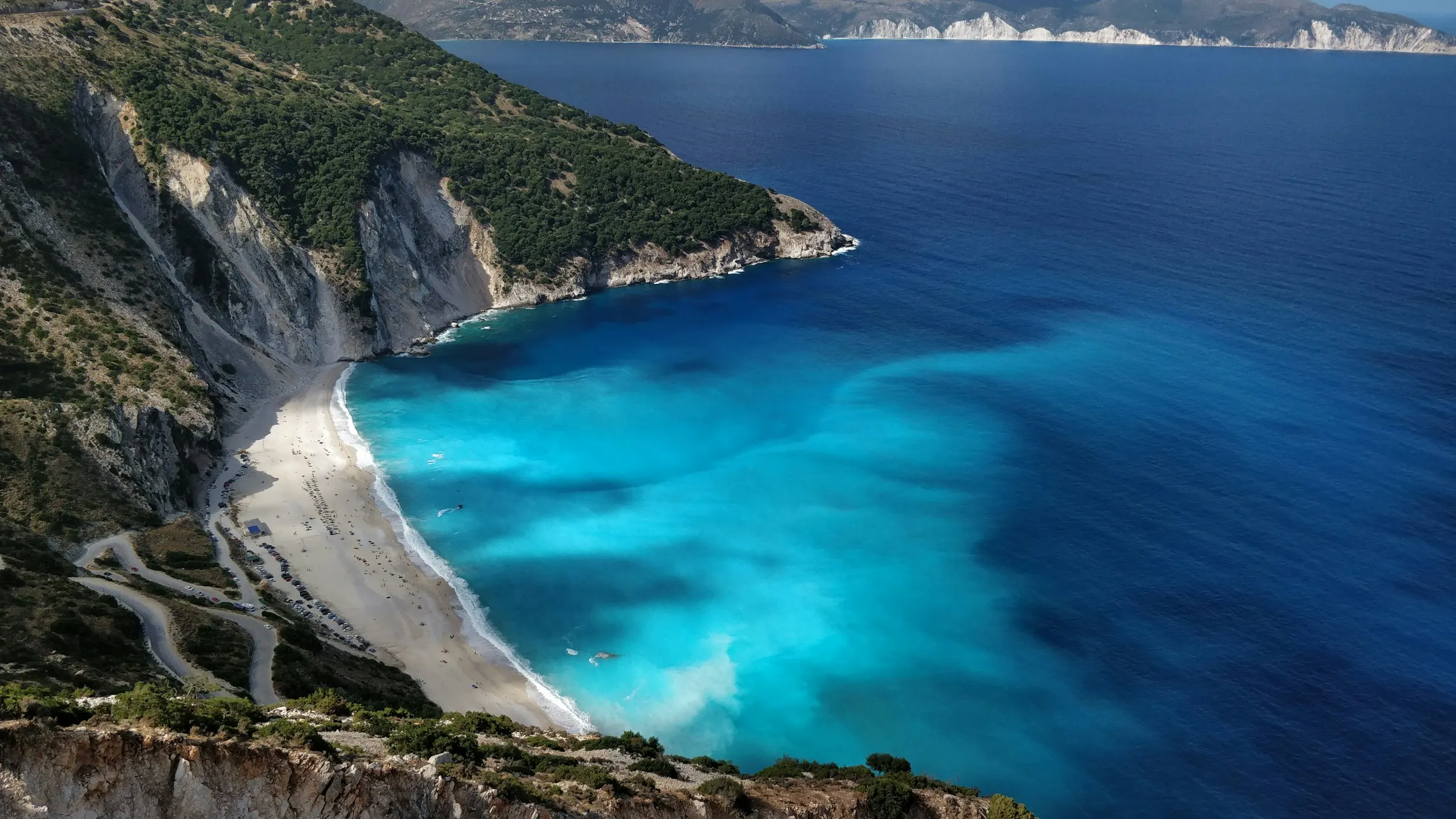
Myrtos is one of the most photographed beaches in Greece, a sweep of white pebble between huge cliffs, and the view from the road above is the island's defining image. Two honest notes: the sea shelves steeply with real waves and undercurrents, so treat the swimming with respect, and after a rockfall in July 2026 the authorities ask visitors to heed on-site guidance, with access restricted after quakes or heavy rain. Check conditions locally on the day.
Row into Melissani, walk into Drogarati
Sunlight on the water inside Melissani Cave creates an otherworldly effect where the roof fell in over an underground lake; visits are by rowing boat. Nearby Drogarati is the other half of the pair, a chamber of stalactites known for its acoustics. Both open through the season with hours that vary, so check before you drive over. They sit close to Sami and the sailing harbour of Agia Efimia, whose hillside villas look down the east coast.
Fiskardo, Assos and the north by car or boat
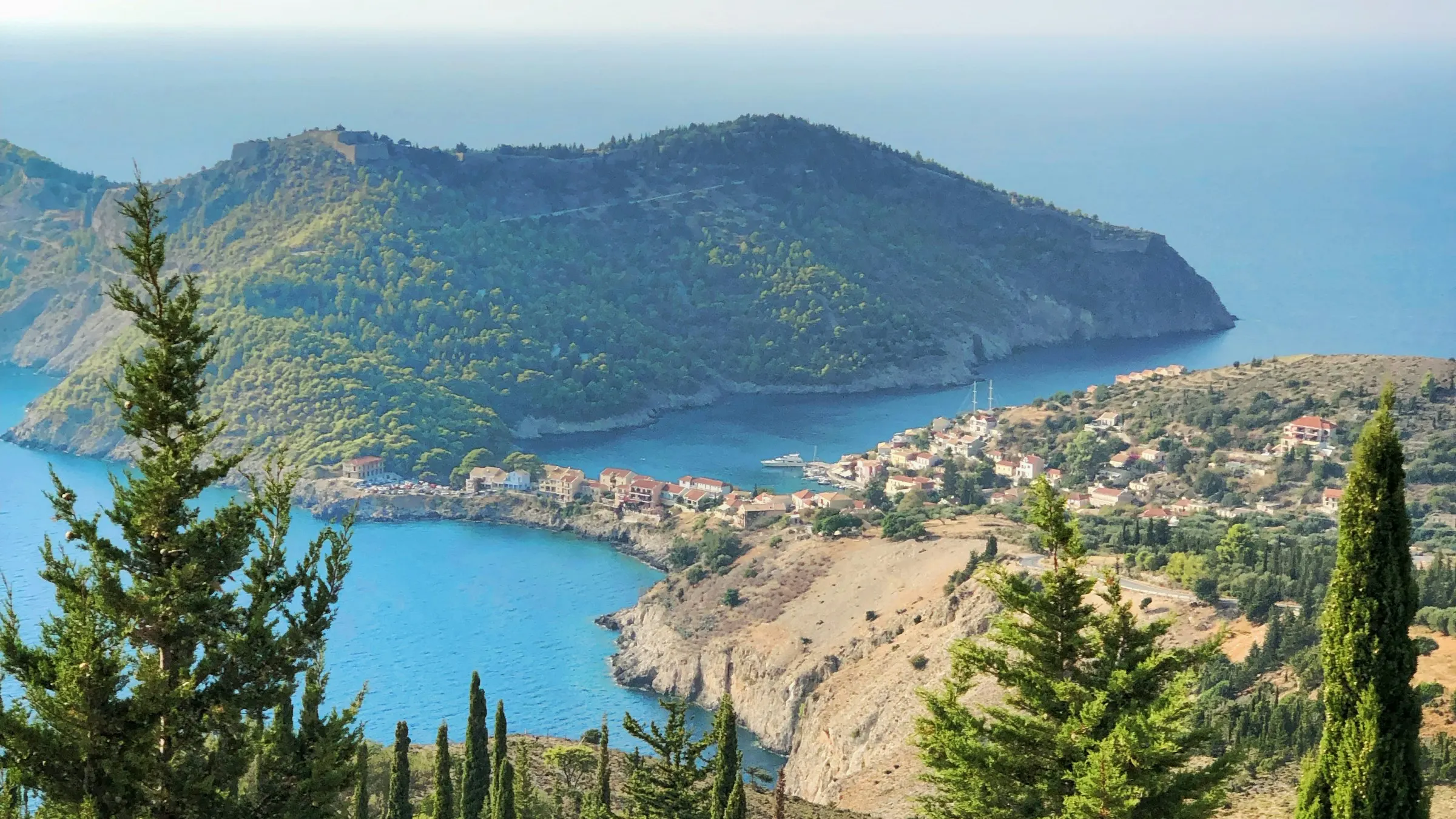
Boat trips run from Fiskardo, the village the 1953 earthquake left untouched, and the coast between Fiskardo and Assos is the island's most beautiful drive. Assos, on its narrow peninsula under a Venetian fortress built in the 1590s, is the stop that ends up as everyone's photograph.
Meet the turtles at Argostoli
Loggerhead turtles feed in Koutavos lagoon and along Argostoli's quay most mornings, a genuinely wild population living beside the capital. Watch from the bridge and the harbour edge, keep your distance, and never feed them.
Taste Robola on the Ainos slopes
Kefalonia grows its own PDO white: Robola, planted high on the slopes and plateau under Mount Ainos, crisp and citrussy and best drunk where it grows. The cooperative sits in the Omala valley, which it shares with the monastery of Agios Gerasimos, the island's patron saint. Kefalonia holds three protected wine designations, the only three in the Ionian, with Muscat and Mavrodaphne alongside the Robola, and the wineries welcome visitors in season.
Which Kefalonia beach should you choose?
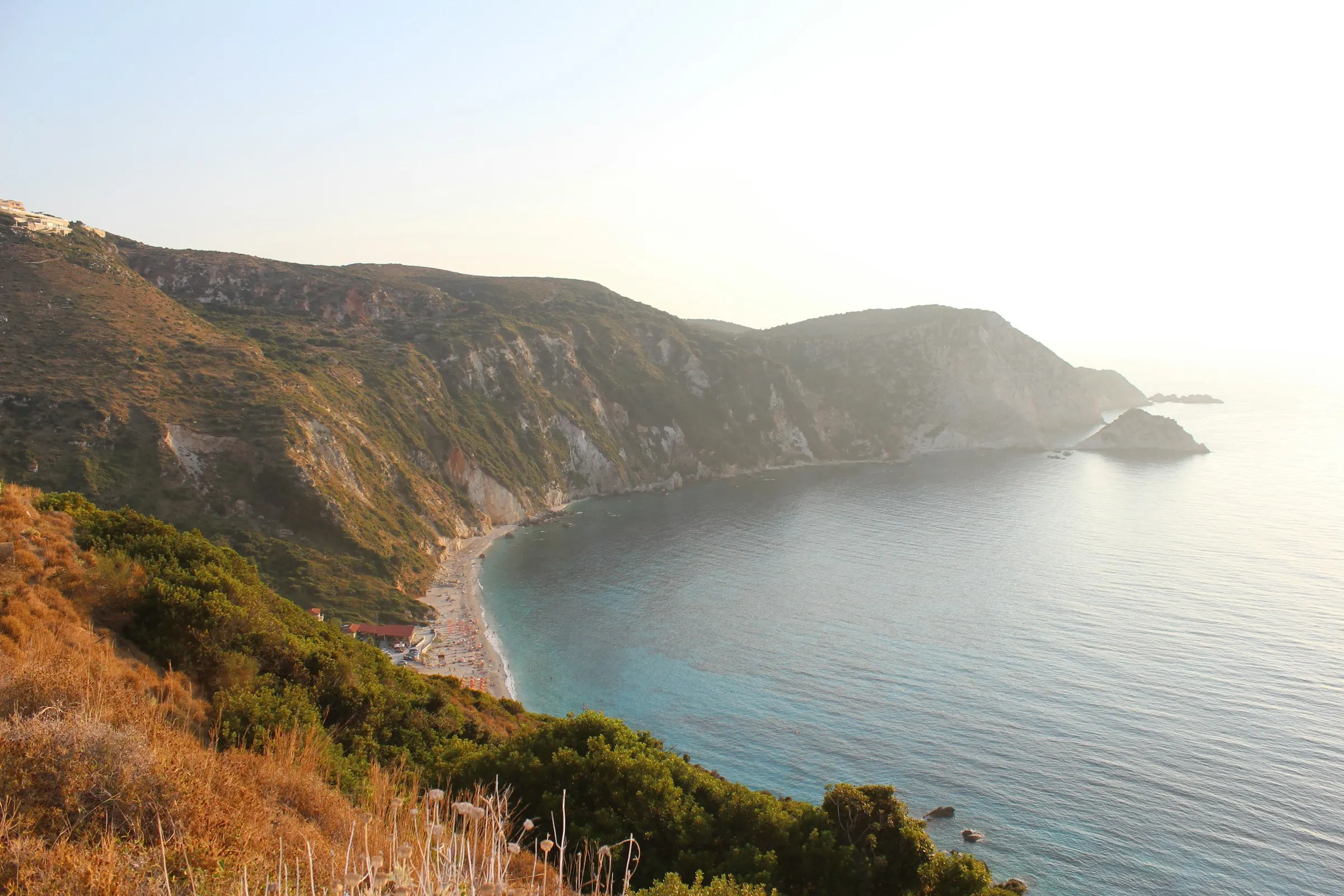
North and west are pebble and drama: Myrtos under its cliffs, Petani on the Paliki peninsula with a similar shape and fewer coaches, and Foki and the small coves around Fiskardo for calm deep water.
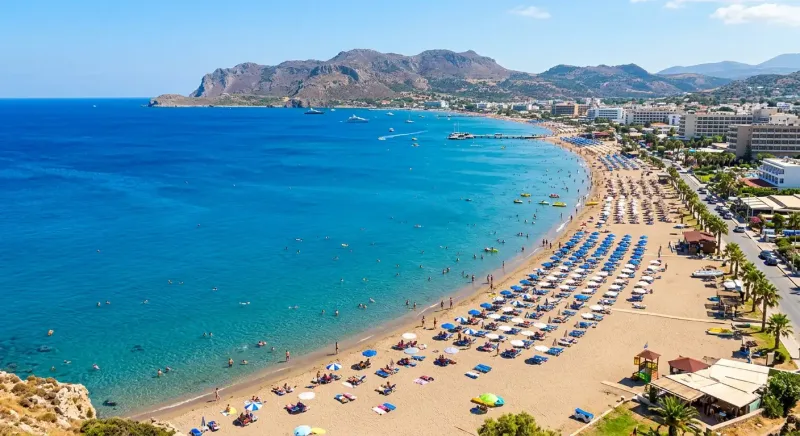
South and east are sand and ease: Skala's long organised stretch, Lourdas and Trapezaki below the villages, Xi's unusual red sand on Paliki, and Antisamos near Sami, the bright-water bay long associated with Captain Corelli's Mandolin. Lassi's Makris and Platis Gialos are the practical organised beaches by Argostoli.
Myrtos deserves its photographs and its cautions in equal measure: see the note above before you plan a swimming day there.
Food and drink in Kefalonia
The cooking is simple and full of flavour: kreatopita, the island's traditional meat pie, grilled seafood on the waterfronts, and honest village tavernas tucked into the squares or overlooking the water. Robola is the wine to order, a crisp white with its own protected designation grown on the island since Venetian times, and the local honey and olive oil travel home well.
What to order
Kreatopita, grilled fish, village salads, local cheeses, Robola by the glass, and honey or olive oil to take home.
What to check
Fresh fish is often priced by weight: ask for the weight and the total before it goes to the kitchen. Fiskardo's waterfront carries the premium end; the family resorts of the south-east do the straightforward taverna meal.
Who is Kefalonia best for?
Families do brilliantly here on the sandy south-east, where Skala and Katelios keep the logistics short; the island's mix of beaches, space and quiet corners is the reason people come back. Couples gravitate north to Fiskardo and Assos. Groups get real space in the hills behind the coasts. Walkers and drivers get the best big-island scenery in the Ionian.
The honest limits: this is a driving island, so a no-car week only works in a handful of walkable spots; say so at enquiry and we will steer accordingly. And if a long organised beach right outside the door is essential, choose the south-east specifically, not Kefalonia in general.
When is the best time to visit Kefalonia?
June and September offer warm weather with fewer crowds than peak summer, and the shoulder months either side stay gentle.
MayGreen and mild, the island at its most lush before the heat arrives.
June and SeptemberThe sweet spots: warm weather, warm sea and fewer crowds than peak summer.
July and AugustHighs around 30°C, the calmest seas and the strongest villa demand. Book far ahead. Mid-August brings the island's biggest feasts, the Dormition on the 15th and Agios Gerasimos on the 16th, so book tables for that week.
OctoberUsually stays gentle as the island quietens through the month.
November to AprilThe rain that keeps Kefalonia green falls almost entirely in these months, when the resorts close and the island lives its own life.
Getting to Kefalonia and getting around
There are direct flights to Kefalonia from several UK airports in season, and year-round ferries from the mainland. The best way to continue depends on your end of the island.
Flights from the UK
Direct seasonal flights take around three and a half hours from London, closer to four from northern and Scottish airports, running roughly spring to autumn with routes changing by year. Outside the season, connect through Athens; the onward hop takes under an hour.
By sea
Ferries link Sami with Patras on the mainland in about three hours, and Poros with Kyllini in about an hour and a half; both ports work year-round. In summer, seasonal boats connect Fiskardo with Lefkada and the neighbouring islands. Check current timetables when you plan.
Getting around
Hiring a car is definitely the best way to get around for beaches, villages and viewpoints; the roads are mountainous and winding, so journeys take longer than the map suggests, and precise drive times are best taken from your villa's own directions.
Talk to a Kefalonia villa specialist
Tell us who is travelling, when you want to go, where you would like to stay and what matters most.
Questions about Kefalonia
Where is Kefalonia?
Kefalonia is the largest of the Ionian islands, off the west coast of mainland Greece, south of Lefkada and just west of Ithaca. It has its own airport and year-round ferry links to the mainland at Patras and Kyllini.
How big is Kefalonia?
About 773 square kilometres, with Mount Ainos rising to 1,628 metres at its centre, a national park since 1962 for its dark endemic fir forest. It is a genuinely big island: the north and south are different holidays, and driving between them takes real time on mountain roads.
Where should I stay in Kefalonia?
Fiskardo for atmosphere and the beautiful north; Skala or the south-east for sandy-beach ease; Lixouri and the Paliki peninsula for quiet. Our guide Where to Stay in Kefalonia compares every base in detail.
What is there to do in Kefalonia?
Myrtos and the cliff-road views, the Melissani and Drogarati caves, boat days from Fiskardo, Assos and its fortress, Robola wineries under Mount Ainos, and the turtles in Argostoli harbour. A week fills itself.
When is the best time to visit Kefalonia?
June and September: warm weather, fewer crowds. July and August are peak heat, calm seas and peak demand; May and October are the gentle shoulders.
How many days do you need in Kefalonia?
Five to seven days usually works well: enough time to explore both ends of the island without having to rush. A villa week fits Kefalonia's size better than a short stop.
Do I need a car in Kefalonia?
Yes, for almost every villa stay: remote beaches, viewpoints and villages are the point of the island. If a no-car week matters, tell us at enquiry and we will steer you to the few bases where it genuinely works.
Is Kefalonia good for families?
Yes: the mix of beaches, space and quieter areas makes it excellent for families, especially the sandy south-east around Skala, Katelios and Lourdas. The north suits families happy with coves and harbour evenings over long sand.
Is Kefalonia expensive?
Mid-field by Greek island standards, with Fiskardo's harbour carrying the premium end. A villa kitchen, shoulder-season dates and early booking keep the bill in hand; the south-east's family resorts are the value end of the island.
How long is the flight to Kefalonia?
Around three and a half hours direct from London, seasonal spring to autumn; a little longer from the north and Scotland; via Athens outside the season.
Is Kefalonia safe to visit given the earthquake history?
Yes for ordinary travel. The famous 1953 earthquake shaped the island's story and its rebuilt towns, and the region remains seismically active in the way much of Greece is; buildings follow modern seismic codes, and UK government advice carries only the standard Greece-wide guidance rather than anything Kefalonia-specific. Local authorities post beach-safety notices after quakes or heavy rain, most visibly at Myrtos; follow them.
Explore the Kefalonia guides
Practical guides for planning your stay.
Verified guest reviews
Service reviews collected independently by Feefo.
Verified guest review
“I cannot speak highly enough of the Bnbstay team really. I told them I needed a villa in Santorini Oia and they were able to find us the perfect holiday, they sorted out transfers, private chefs, car hire, pre stocking. Thanks again!”