 Photo 1 of 4 for Starling Villa
Villas in Santorini
With the Island at Your Feet
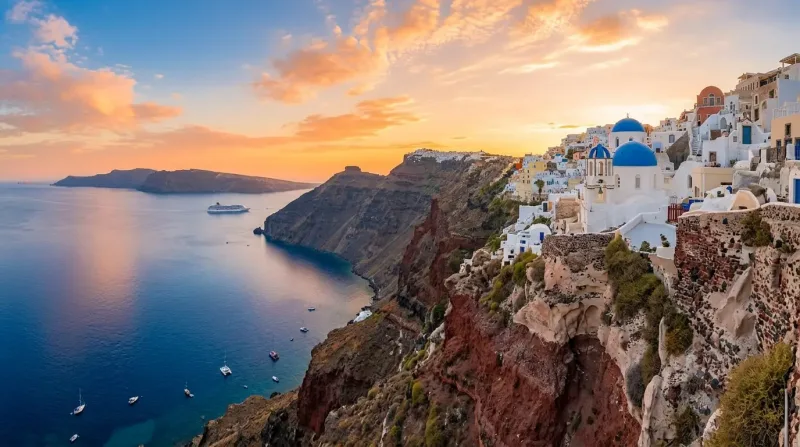
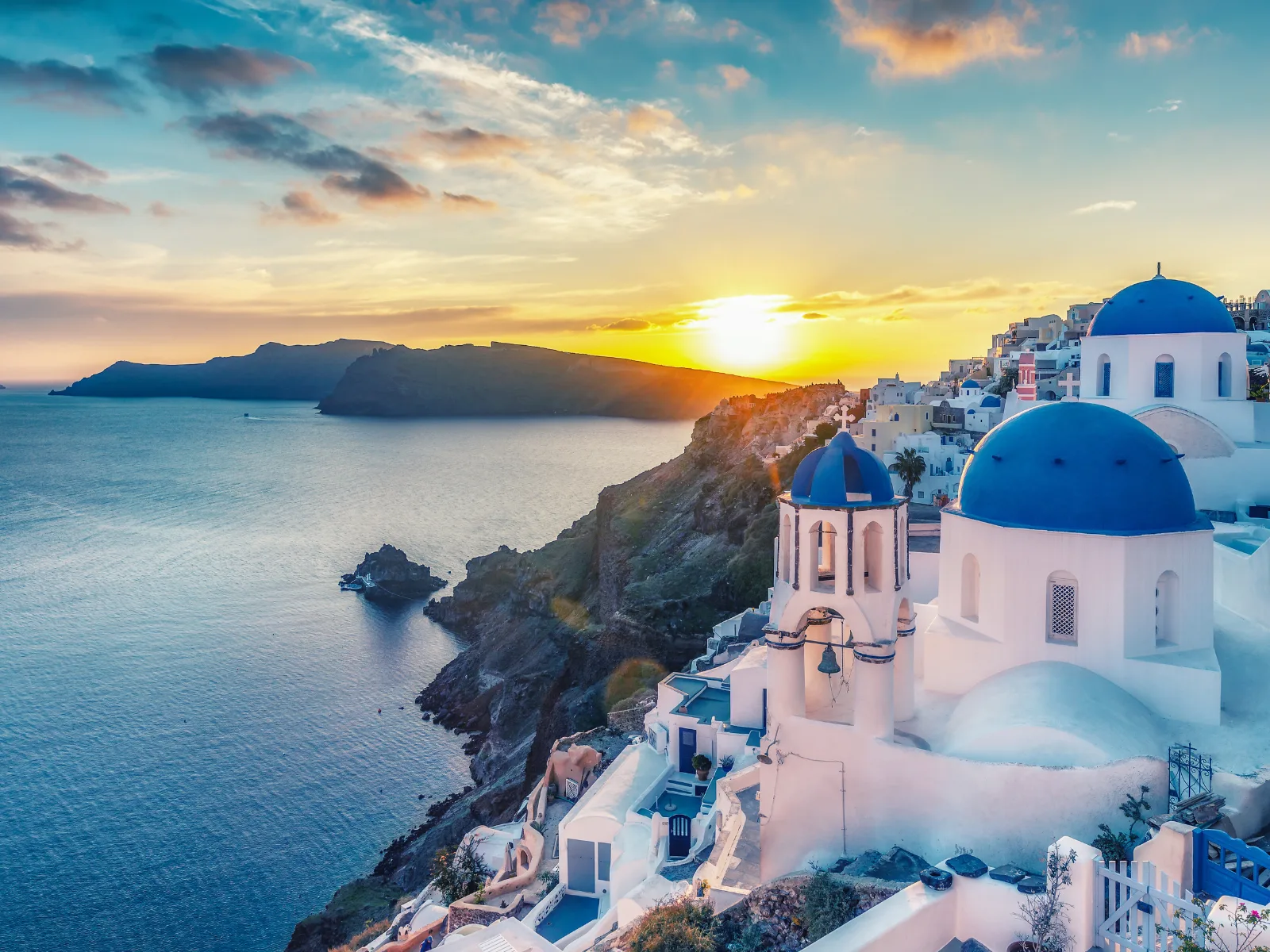
There’s something about waking up in one of the many available Santorini villas that instantly puts you in holiday mode. Maybe it’s the stillness in the morning, the way the light hits the cliffs of the caldera, or just knowing you’ve got your own, private space to take it all in. Staying in villas in Santorini gives you a blend of privacy and atmosphere, making you feel like you’re part of this Greek island.
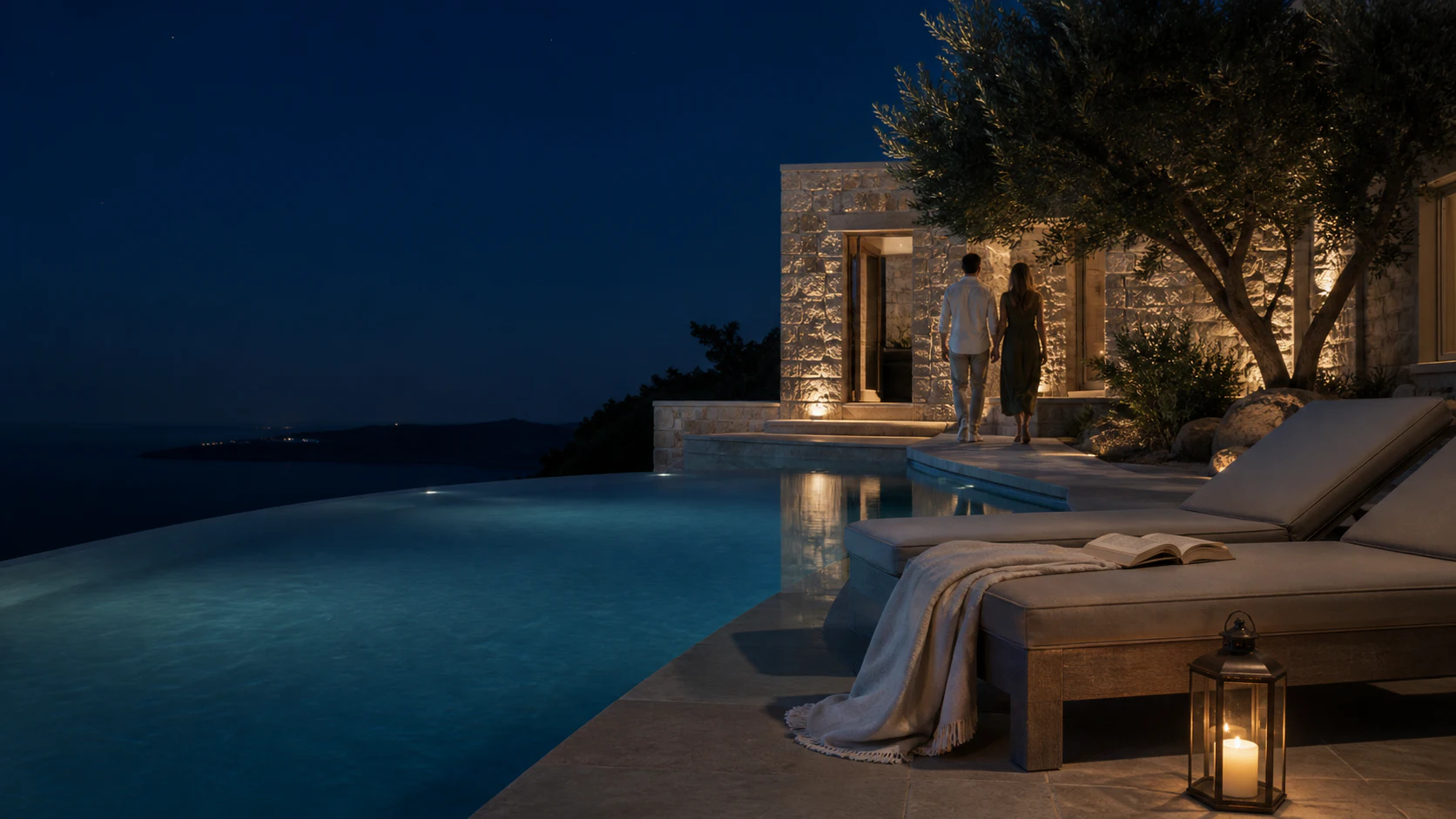
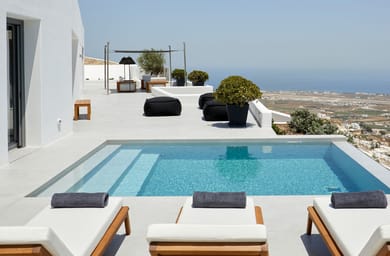
The island has a certain way of slowing you down as you take your morning coffee on a terrace, the Aegean stretching out below, and that soft light bouncing off the whitewashed walls. Staying in one of the many luxury villas Santorini is known for, especially those with outdoor terraces and plunge pools, you get your own private front-row seat to enjoy it all, but without the crowds. If you’re ready to start exploring this gorgeous island in your own private villa, it’s time to take a look at the Bnbstay collection of Santorini villas.
Explore Luxury Villas Across Santorini's Regions

OiaThe postcard town. Best for couples and anyone who wants those iconic views and easy access to gorgeous sunset spots. Expect it to be lively, especially in the evenings.23 villas
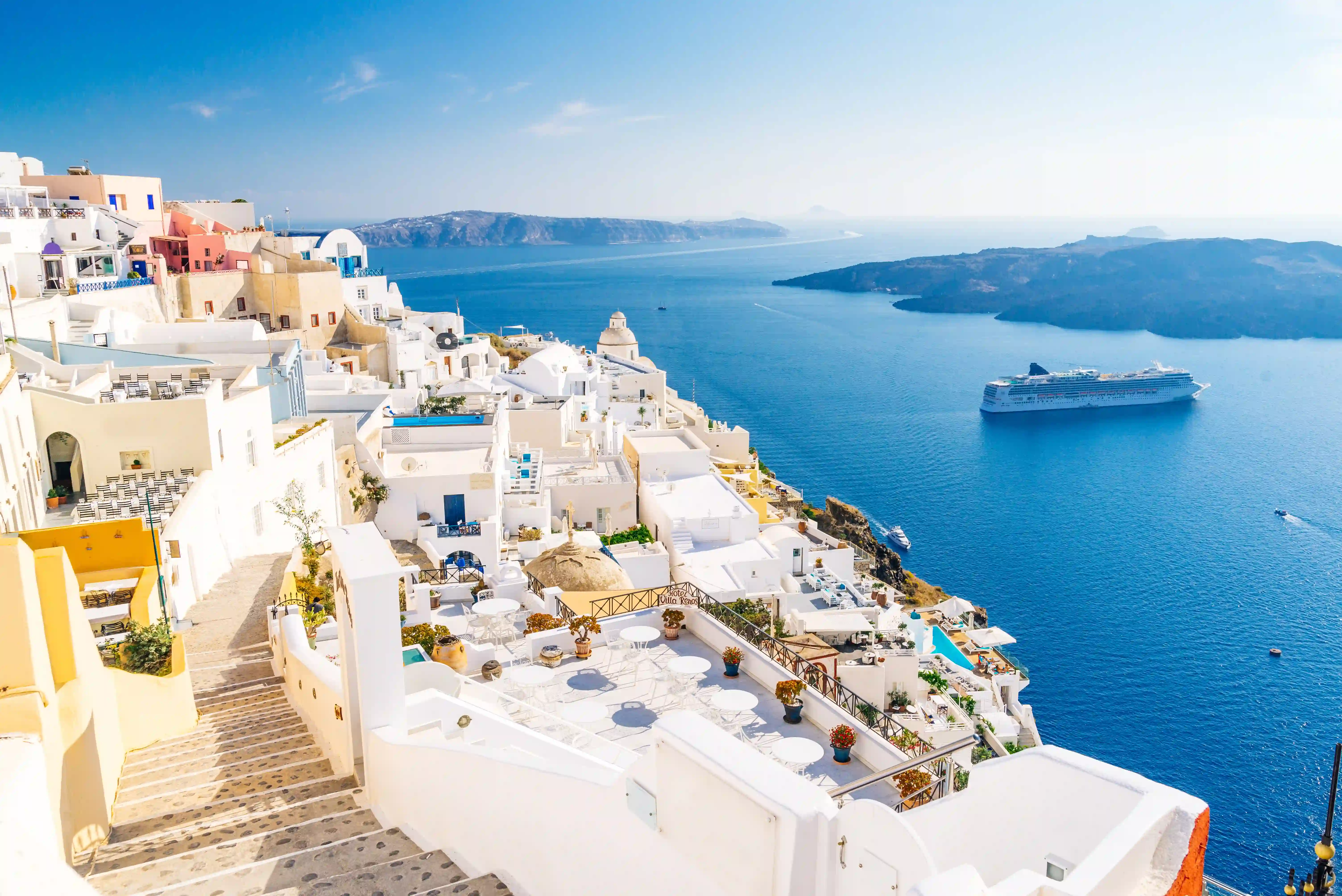
FiraThe island’s capital. It’s a great base if you like having shops, restaurants, and nightlife within walking distance. There are plenty of Santorini villas with private pool options just outside the city centre.12 villas
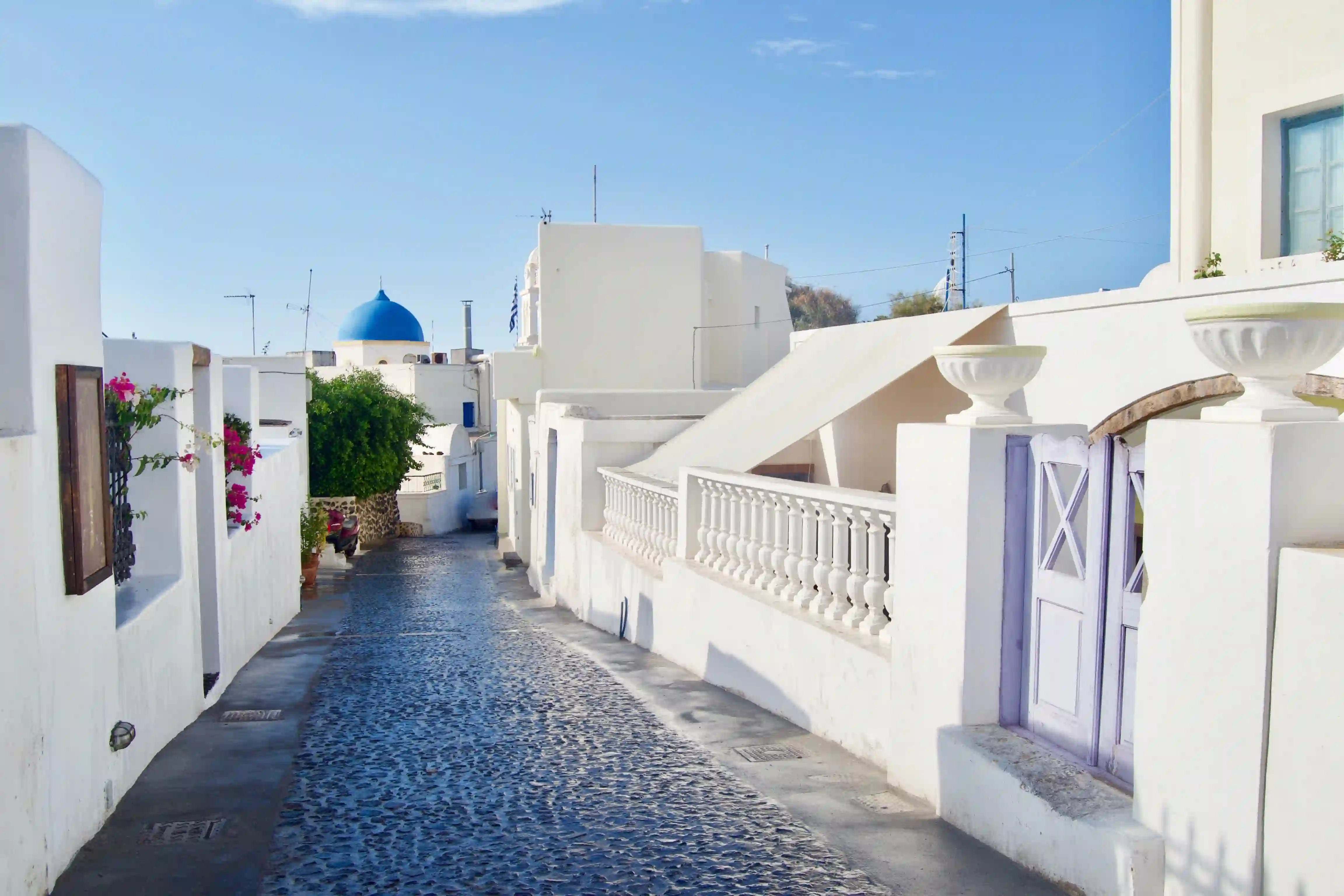
MegalochoriA lesser-known village inland. It feels more local, with traditional architecture and a slower pace. A good choice if you’re after something a bit more low-key.9 villas

ImerovigliQuieter and slightly elevated. Numerous luxury villas Santorini options with some of the best views on the island. A great choice if you want quiet while still being close to Fira.20 villas
Find Your Perfect Villa Style in Santorini
Switch category to see real villas from our Santorini collection, not just a label. Tap “View all” to see the full list on the category page.
Photo 1 of 4 for Starling Villa Summer Sale−20%Photo 1 of 4 for Luxurious 4 Bedroom Villa With Panoramic Sunset View and Shaded Outdoor Jacuzzi
Santorini
Luxurious 4 Bedroom Villa With Panoramic Sunset View and Shaded Outdoor Jacuzzi
- 8 guests
- 4 bedrooms
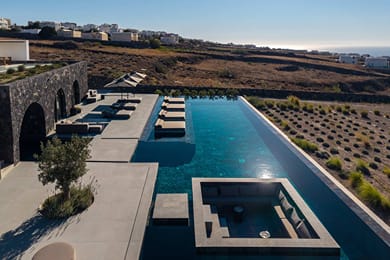 Photo 1 of 4 for Peppermint Villa
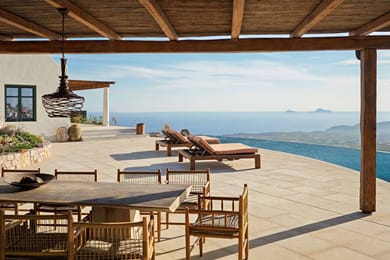 Photo 1 of 4 for Mythira Villa
 Photo 1 of 4 for Pasithea Villa
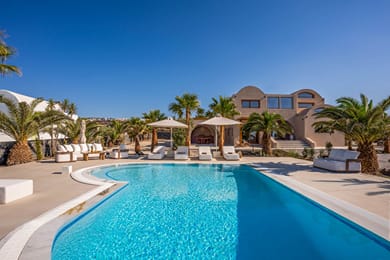 Photo 1 of 4 for Bordeaux Villa
 Photo 1 of 4 for Vayu Villa
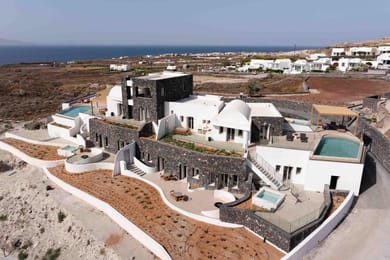 Summer Sale−20%Photo 1 of 4 for Aetheria Villa
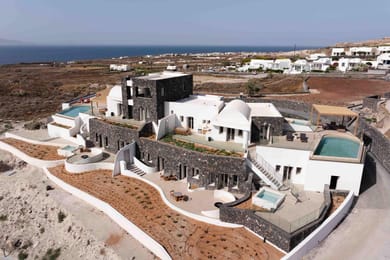 Summer Sale−20%Photo 1 of 4 for Solitudea Villa
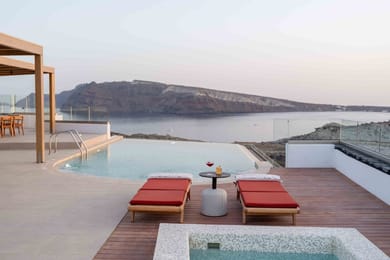 Summer Sale−20%Photo 1 of 4 for Serenique Villa
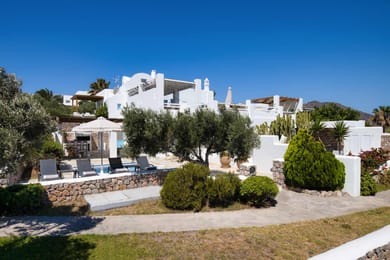 Photo 1 of 4 for Vourvoulos Retreat
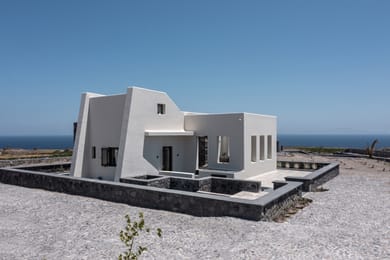 Summer Sale−15%Photo 1 of 4 for Emilia Villa
Santorini Villas
Travel Guide
Things to Do in Santorini
- Walk the caldera path from Fira to Oia. It’s a steady hike, but the views make every step worth it, especially if you time it to reach Oia for sunset.
- Visit Akrotiri, an ancient Minoan settlement that’s preserved in volcanic ash. It’s surprisingly easy to explore and gives you a look into life here thousands of years ago.
- Take a wine tour and try Assyrtiko straight from the source. The volcanic soil gives it a crisp, unique taste you won’t find elsewhere.
- Book a sunset catamaran cruise. Swimming near the hot springs and watching the island glow from the water feels completely different to seeing it from land.
- Spend an afternoon in Pyrgos, wandering the cobbled streets and stopping at small cafés. It’s far less busy than the main towns and full of charm.
Food & Wine in Santorini
Food here is simple and fresh. You’ll see dishes like fava (a smooth yellow split pea purée), tomato keftedes (crispy tomato fritters made with Santorini’s beautifully flavoured cherry tomatoes), and grilled seafood straight from the Aegean.
Wine is also a big part of the experience. Assyrtiko is famous for its dry, citrusy taste created from the island’s volcanic soil. You’ll also want to try Vinsanto, a sweet dessert wine that pairs beautifully with the local cheeses. Many Santorini villas are close to small tavernas where you can try all of these.
Santorini Transportation
Direct flights to Santorini from several UK airports
There are direct flights to Santorini from several UK airports, with a journey time of around four hours. Airlines like Jet2, TUI, and British Airways all run regular routes, especially during the warmer months. You can also fly into Athens and connect onwards, either with a short domestic flight or by taking the ferry.
Ferries from Athens
Ferries from Athens (usually departing from Piraeus) are a really popular option, especially if you fancy seeing more of the Greek islands along the way. The high-speed ferries take around 4–5 hours, while the slower, more traditional ones can take closer to 7–8 hours, depending on the route.
Taxis
Once you’re there, hiring a car makes things a lot easier, especially if your villa is outside the main towns. Taxis are available but they are limited, and buses connect the popular areas if you’re staying centrally.
Want an insider tip?+
Insider’s Tip
Head to Koloumbos Beach early in the morning. It’s just north of Oia, it’s much quieter than the main beaches, and it feels almost untouched. Bring water and snacks, as there’s very little around, and enjoy having the place mostly to yourself. Bnbstay is here to help you make the most of your Santorini trip.
Browse and Book Our Complete Santorini Villa Collection
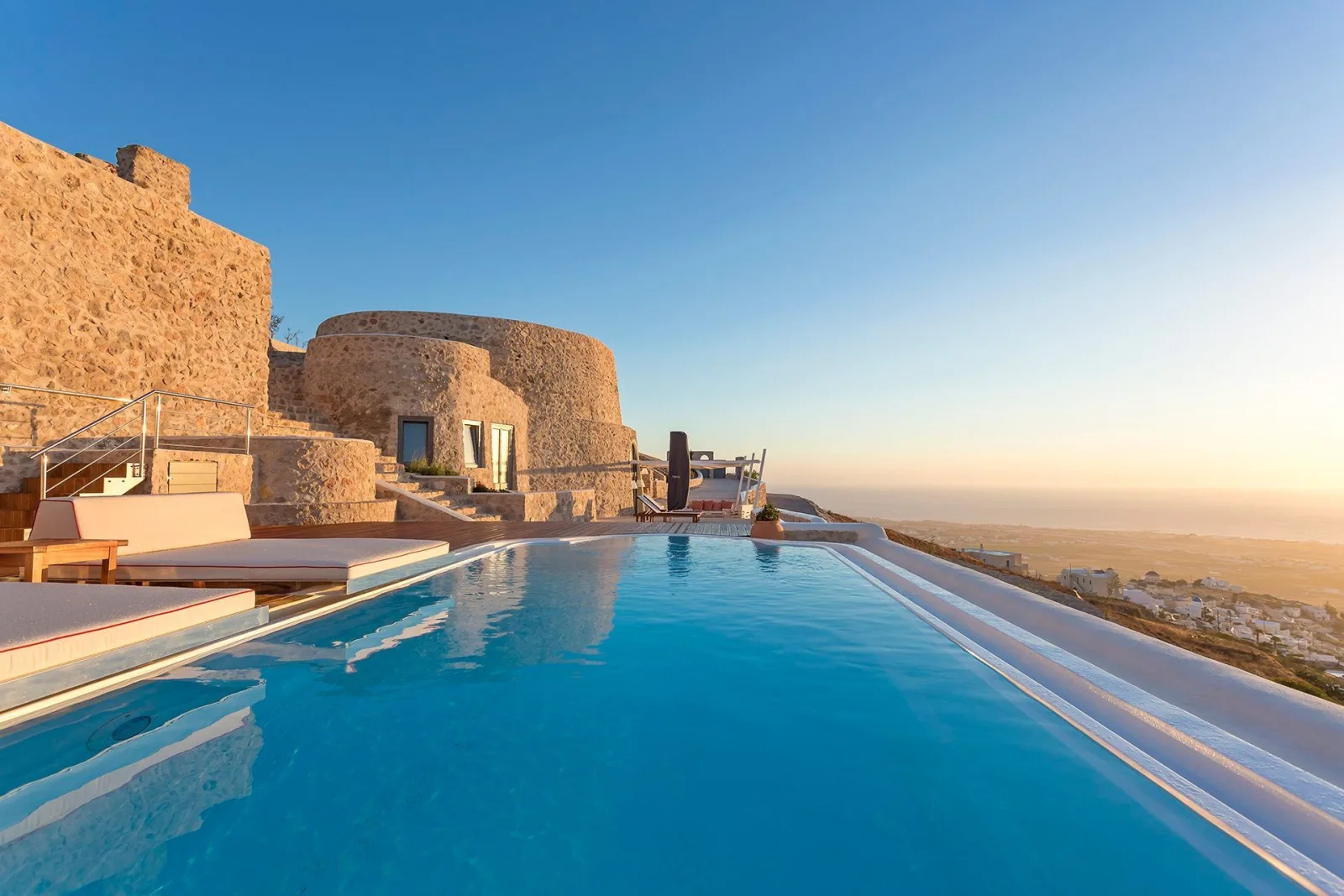 Summer Sale−10%Photo 1 of 4 for Kamini Villa 5 bedrooms
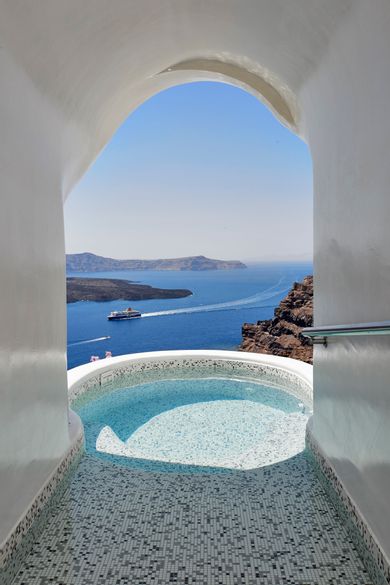 Photo 1 of 4 for Villa Sapphire with Heated Private Pool and Hot Tub
 Photo 1 of 4 for Perivolas Luxury Suite
 Photo 1 of 4 for Superior Petite Suite
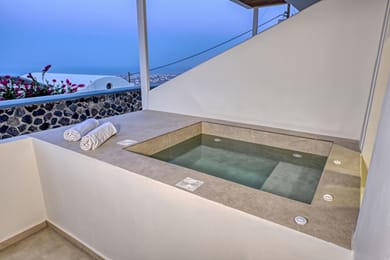 Photo 1 of 4 for Jacuzzi Cozy Suite
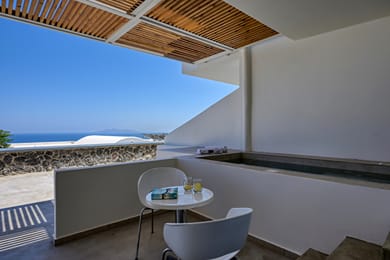 Photo 1 of 4 for Jacuzzi Petite Suite
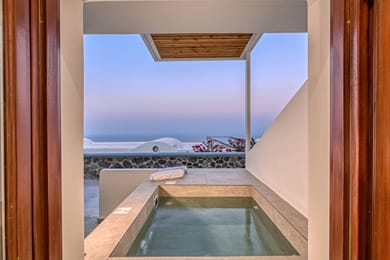 Photo 1 of 4 for Superior Cozy Suite
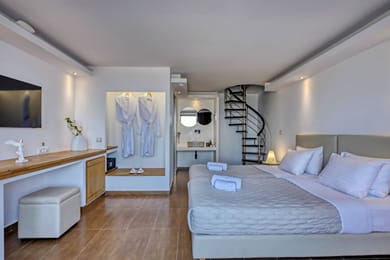 Photo 1 of 4 for Family Cozy Suite
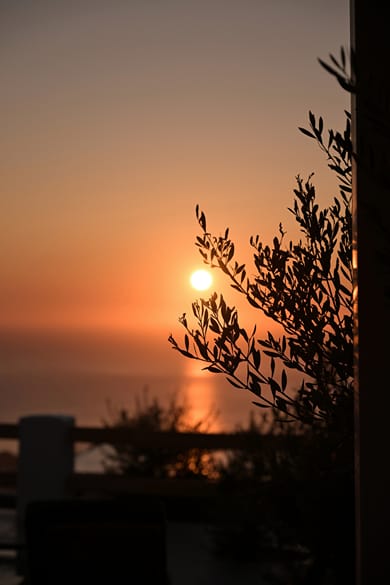 Photo 1 of 4 for Family Premium Suite
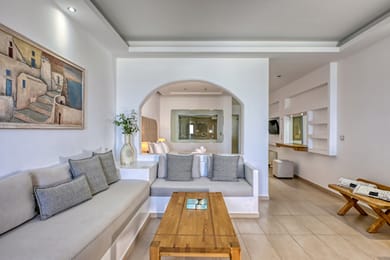 Photo 1 of 4 for Jacuzzi Premium Suite - Indoor Jacuzzi
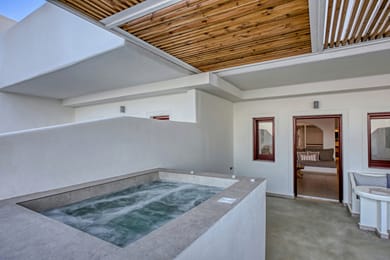 Photo 1 of 4 for Jacuzzi Premium Suite - Outdoor Jacuzzi
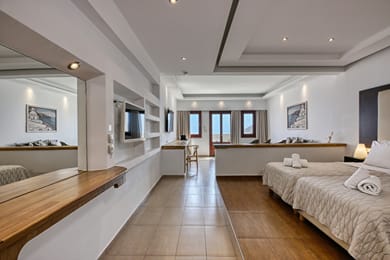 Photo 1 of 4 for Superior Premium Suite
Not sure which villa is right in Santorini?
Tell us your dates, group and must-haves, and our team hand-matches you to the villas that fit, including ones not yet online.
Enquiries 9am-10pm daily · 24/7 support for guests in stay.
Photo 1 of 4 for Starling Villa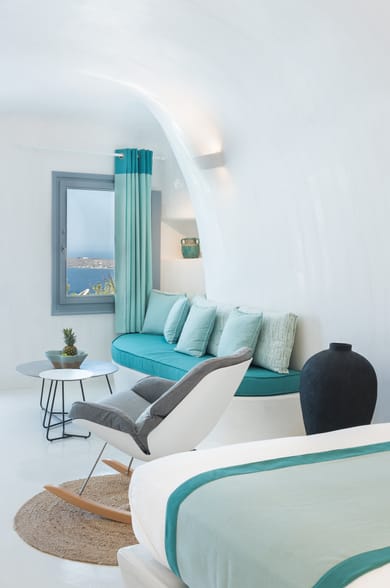 Photo 1 of 4 for Cave Suite with outdoor heated Infinity plunge pool
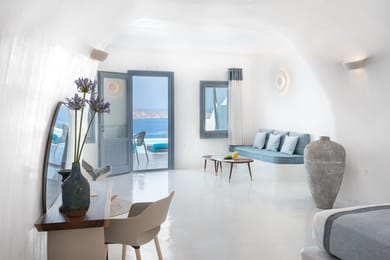 Photo 1 of 4 for Pool Suite - Without Private Balcony
 Photo 1 of 4 for Master Suite
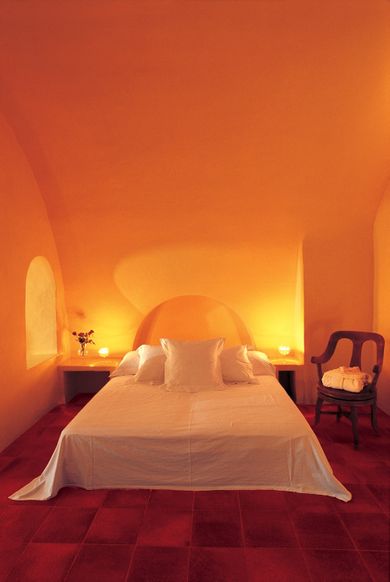 Photo 1 of 4 for Classic Double Room
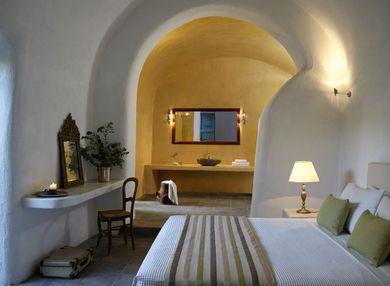 Photo 1 of 4 for Honeymoon Suite with external private Jacuzzi
 Photo 1 of 4 for Superior Suite Caldera sea View
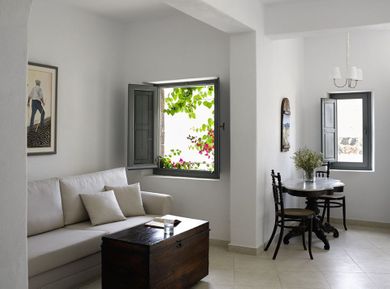 Photo 1 of 4 for Junior Suite
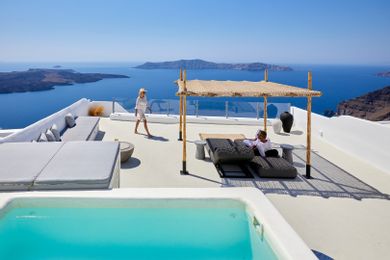 Photo 1 of 4 for Exclusive Suite with Heated Private Pool
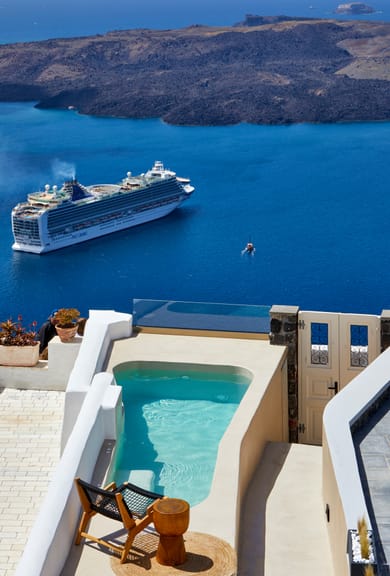 Photo 1 of 4 for Sunset Suite with Outdoor Heated Private Pool
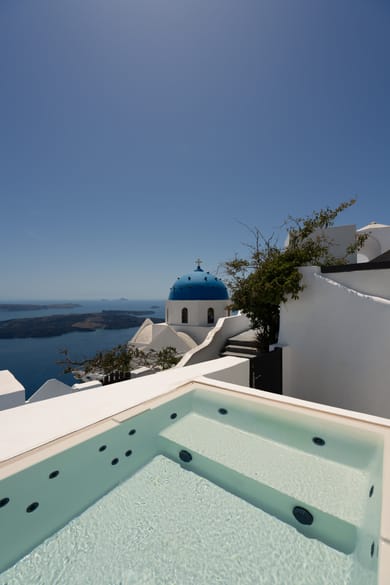 Photo 1 of 4 for Υou & Me Cove with Outdoor Heated Plunge Pool Imerovigli
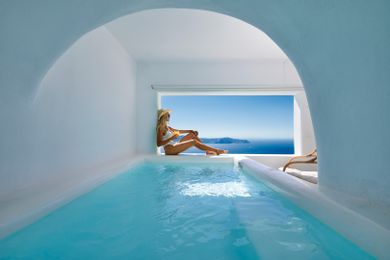 Photo 1 of 4 for Honeymoon Suite with Indoor Heated Jacuzzi
Santorini,
answered
When is the best time to visit Santorini?
Late May to early July and September are ideal. You get warm weather without the peak summer crowds, and it’s easier to enjoy the island at a more relaxed pace.
How many days do I need in Santorini?
Four to five days is a good amount of time. It’s enough to explore, enjoy your villa, and still fit in a few activities without rushing.
Do I need a car in Santorini?
If you’re staying in a villa away from the main towns, a car is very helpful. It gives you flexibility to explore beaches, villages, and restaurants at your own pace.
Is Santorini good for families?
Yes, especially if you choose a villa with space and privacy for large groups. Areas away from the caldera cliffs tend to be a bit more practical for families with younger children.
Are there Santorini villas with private pool options?
Absolutely! Many villas include private pools or plunge pools, which are amazing during the warmer months and give you your own space to cool off and unwind.
What Our Guests Say About Our Santorini Villas
Insider Travel Guides and Inspiration for Santorini