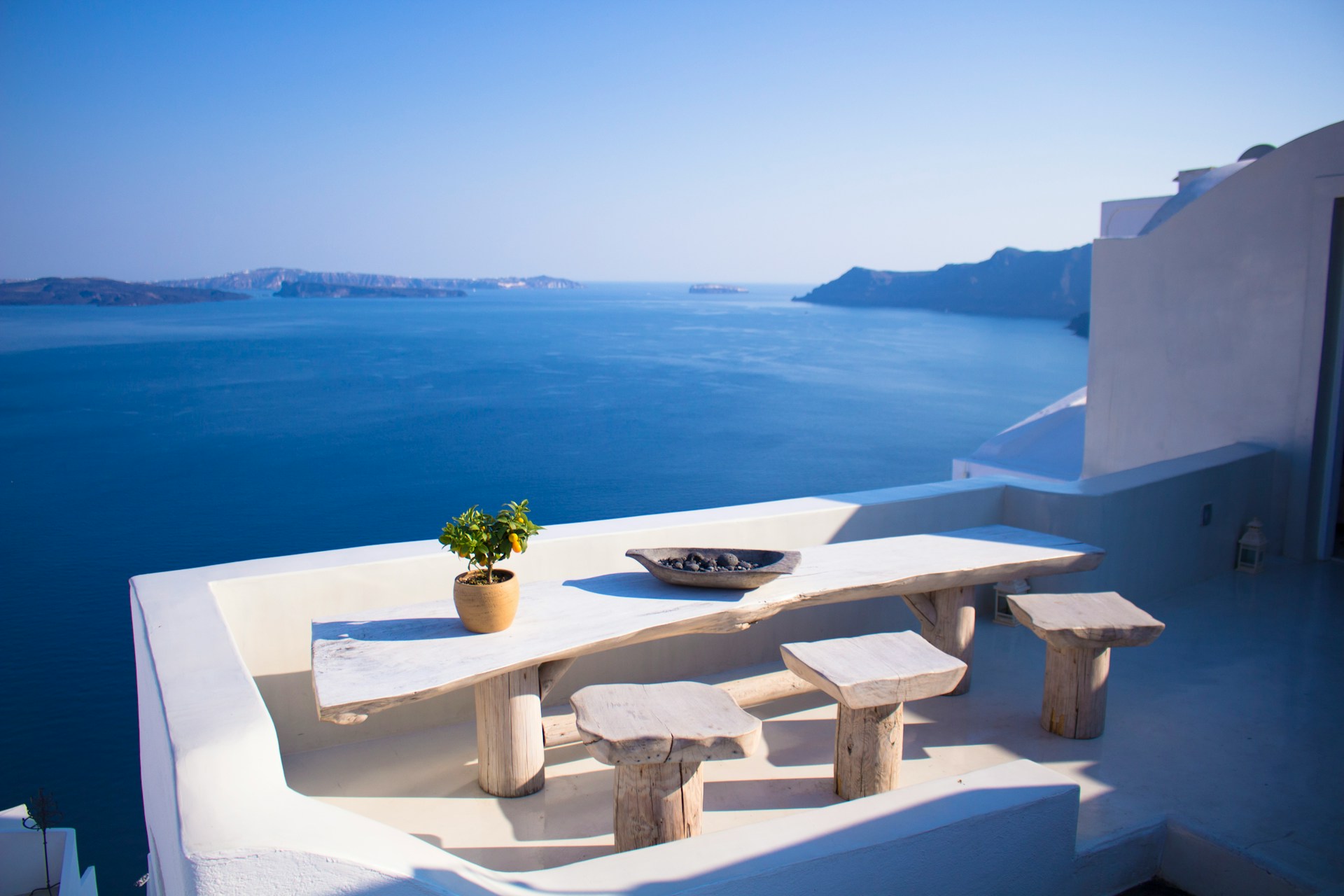
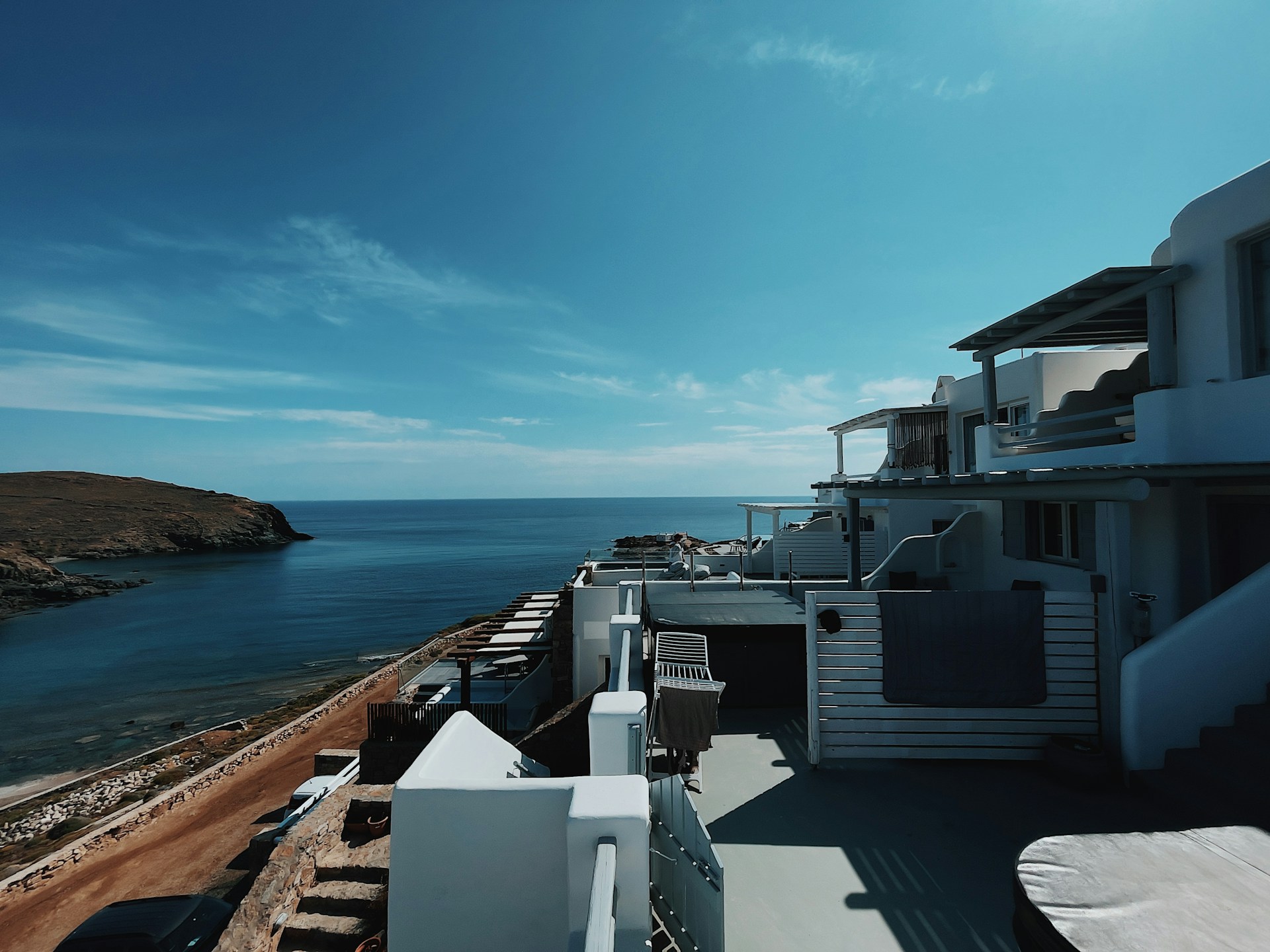
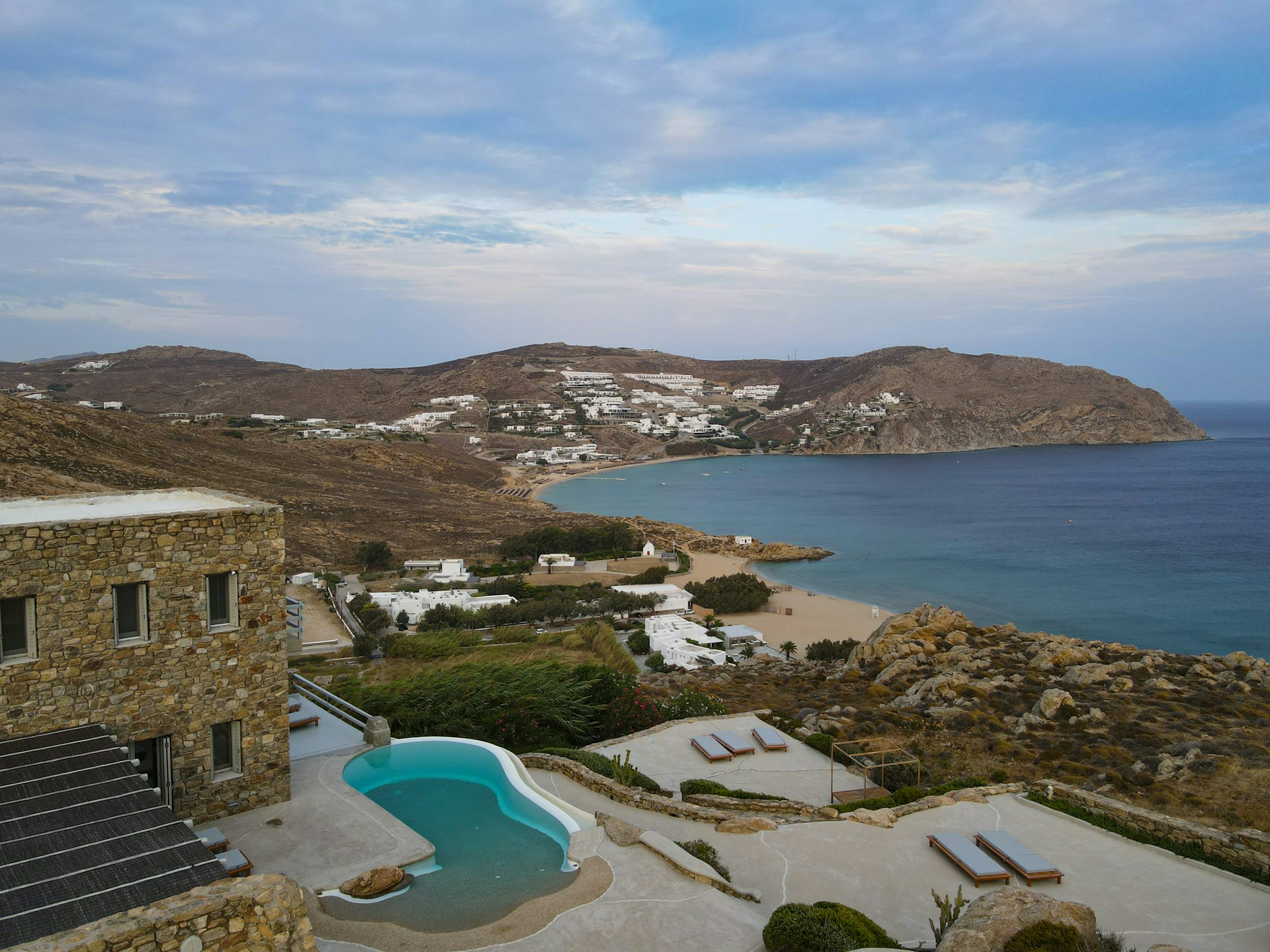
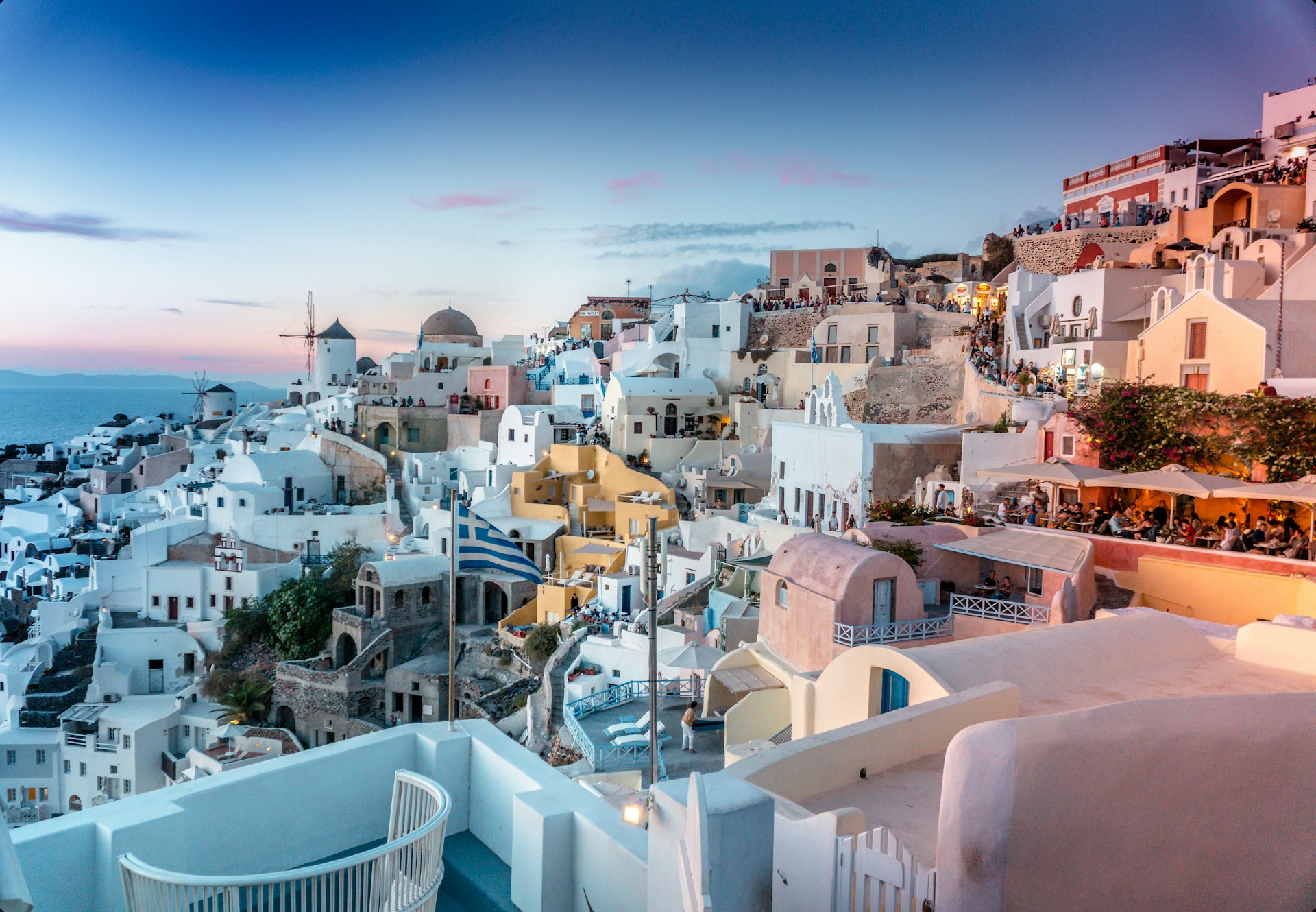
When it comes to villas, Greece just gets it right. Sun-soaked terraces, private pools, and sea views. You get all the privacy only a villa can provide, putting you in reach of the country’s iconic history and those crystal-clear turquoise waters Greece is famous for.
The days of flying somewhere just to stay inside a resort for a week are long gone. Travel now is about slowing down and doing things properly. Staying in a private rental in Greece lets you connect with the culture, shop at local markets, and eat at neighborhood tavernas. It’s about experiencing the country in a way you simply can’t from behind the gates of a fancy five-star hotel.
No matter if you're a couple, a young family, or a group of friends escaping for a break, a villa just makes sense. It comes with extra space, total freedom to cook what you want, when you want, and a place all to yourselves, away from the crowds.
Before you put any plan in place, read through our Greece travel guide for villa holidays. It covers everything you need to know to help you navigate the islands, plan logistics and timing, and enjoy a memorable, stress-free trip.
Villas in Greece offer a level of privacy and personalization that a luxury hotel simply can’t match. Think private pools, tucked-away terraces, and all the home comforts, like your own kitchen and laundry, right there when you need them. Best of all, it’s all yours. No sharing, no waiting, no crowds.
A benefit of booking through a platform like BnB Stay is that you get access to handpicked properties that are functional and filled with character. These aren’t basic properties. They come with thoughtful design and premium amenities like Wi-Fi, entertainment systems, and private outdoor areas where you can properly switch off.
It’s also worth noting that villas can be surprisingly cheap, especially for multigenerational families or larger groups. Instead of paying per room, you pay a set nightly rate for the whole property, which often works out as a much better value than booking multiple hotel rooms.
Villa life runs on your schedule, not anyone else’s. Feeling peckish? You'll be able to cook your own meals in your kitchen or bring in a private chef. Say goodbye to fixed dining times and buffet queues. It's all about flexibility and taking things slow.
With rugged peaks like Mount Olympus, dreamy islands such as Corfu, and buzzing cities packed with history, Greece’s geographic diversity really is on another level. Add in the forests of the Pindus range and around 250 days of sunshine a year, and you’ve got a country with endless options.
Greece really does have something for everyone. Whatever kind of trip you’re after, beaches, culture-focused, adventure-packed, or totally laid-back, this section of our travel guide to Greece will help you choose the perfect destination.
The Cyclades (Santorini, Mykonos, Naxos, Andros, Paros)
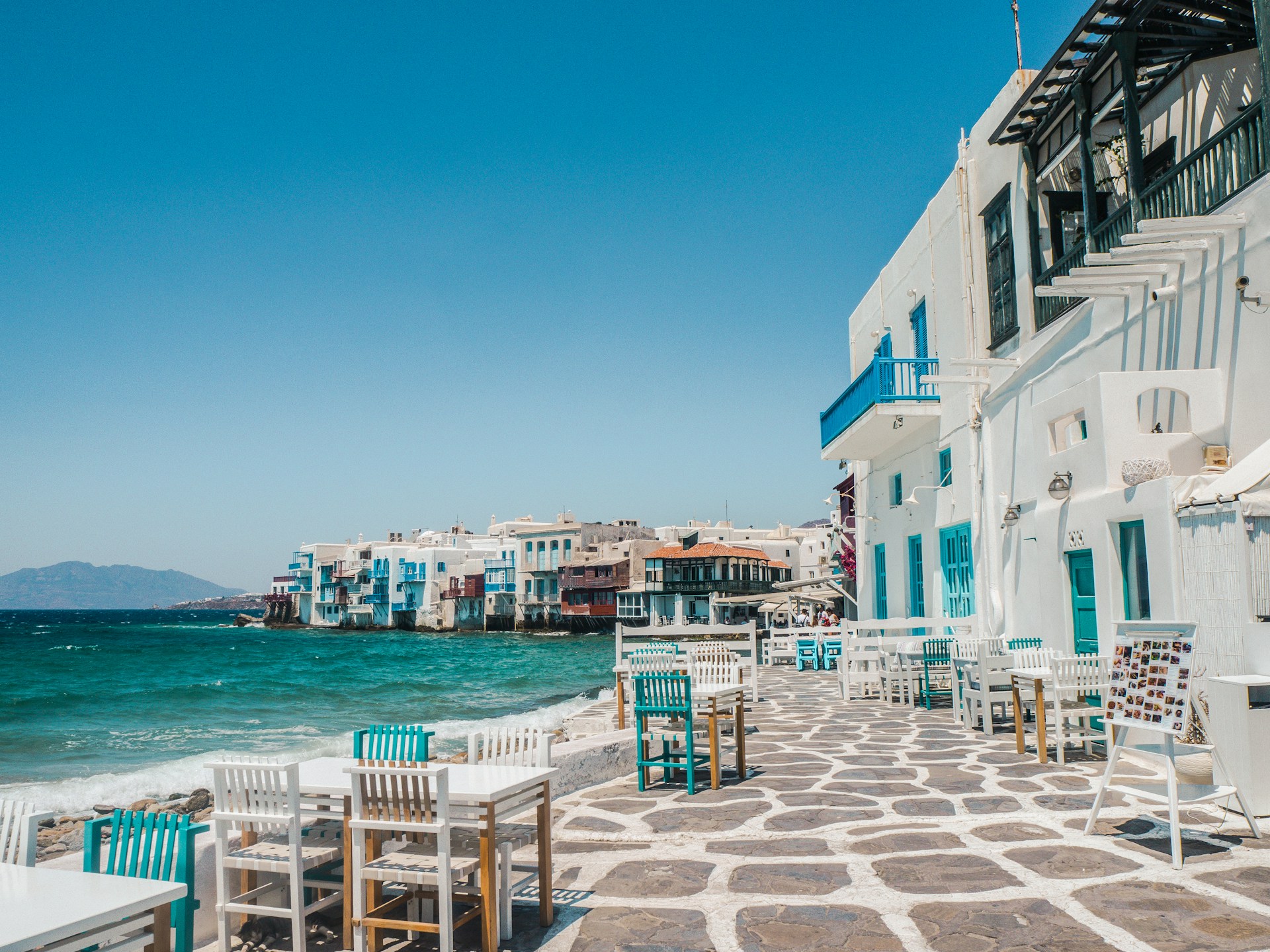
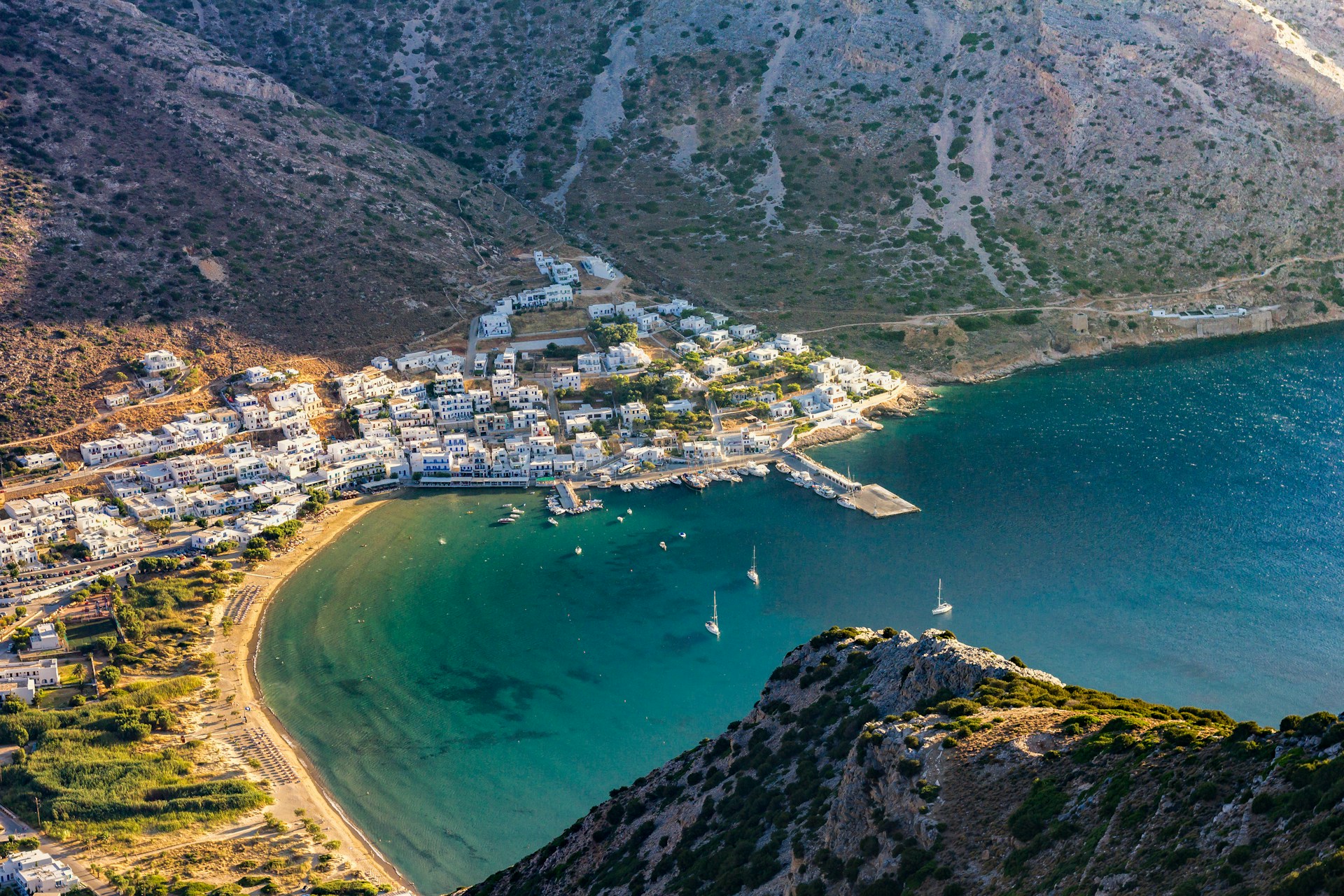
(Photo 4).jpg627.58 KBIn the heart of the Aegean Sea, the Cyclades are a collection of around 220 islands, including big names like Santorini and Mykonos, as well as Naxos, Paros, and Andros. Popular with honeymooners and nightlife lovers, these islands strike a great balance with stylish boutique stays and plenty of buzzing bars and clubs.
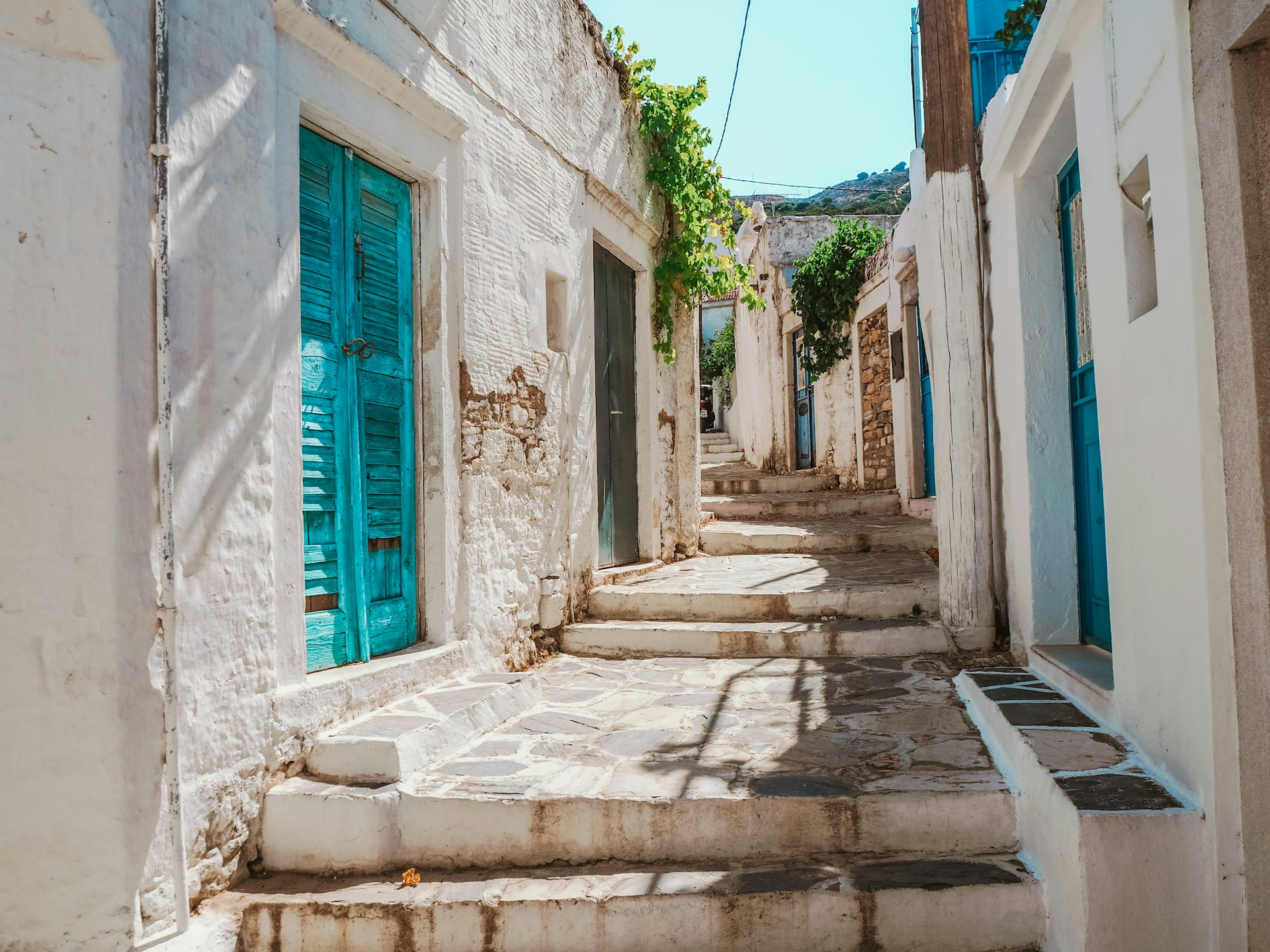
This is where you’ll find that classic whitewashed architecture that's often splashed across Greece travel brochures. Mykonos’ Little Venice is a standout, with Venetian-style structures perched right above the sea. Over in Naxos, the Old Town of Chora is a maze of bright white buildings opening onto narrow lanes lined with local shops and cafes.
Sunsets are a big part of the magic here, especially from the Castle in Oia, which is a popular spot for the golden hour. But it’s not all about the views. Andros is a great pick for hikers, with trails leading to waterfalls like Pythara, while Paros’s Kolymbithres Beach is a lovely place to unwind after a day out exploring.
The Ionian Islands (Kefalonia, Corfu, Zakynthos, Lefkada)
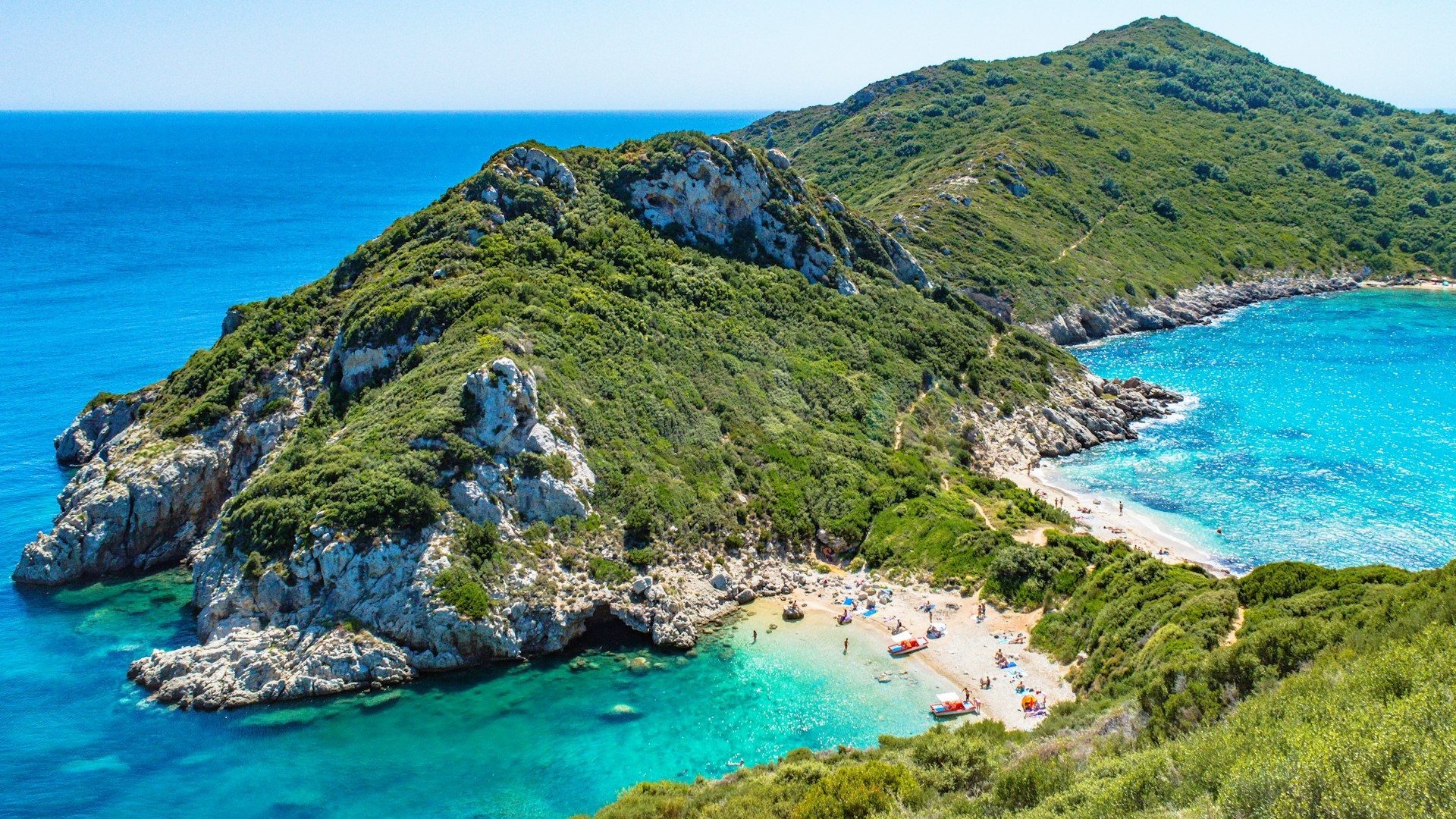
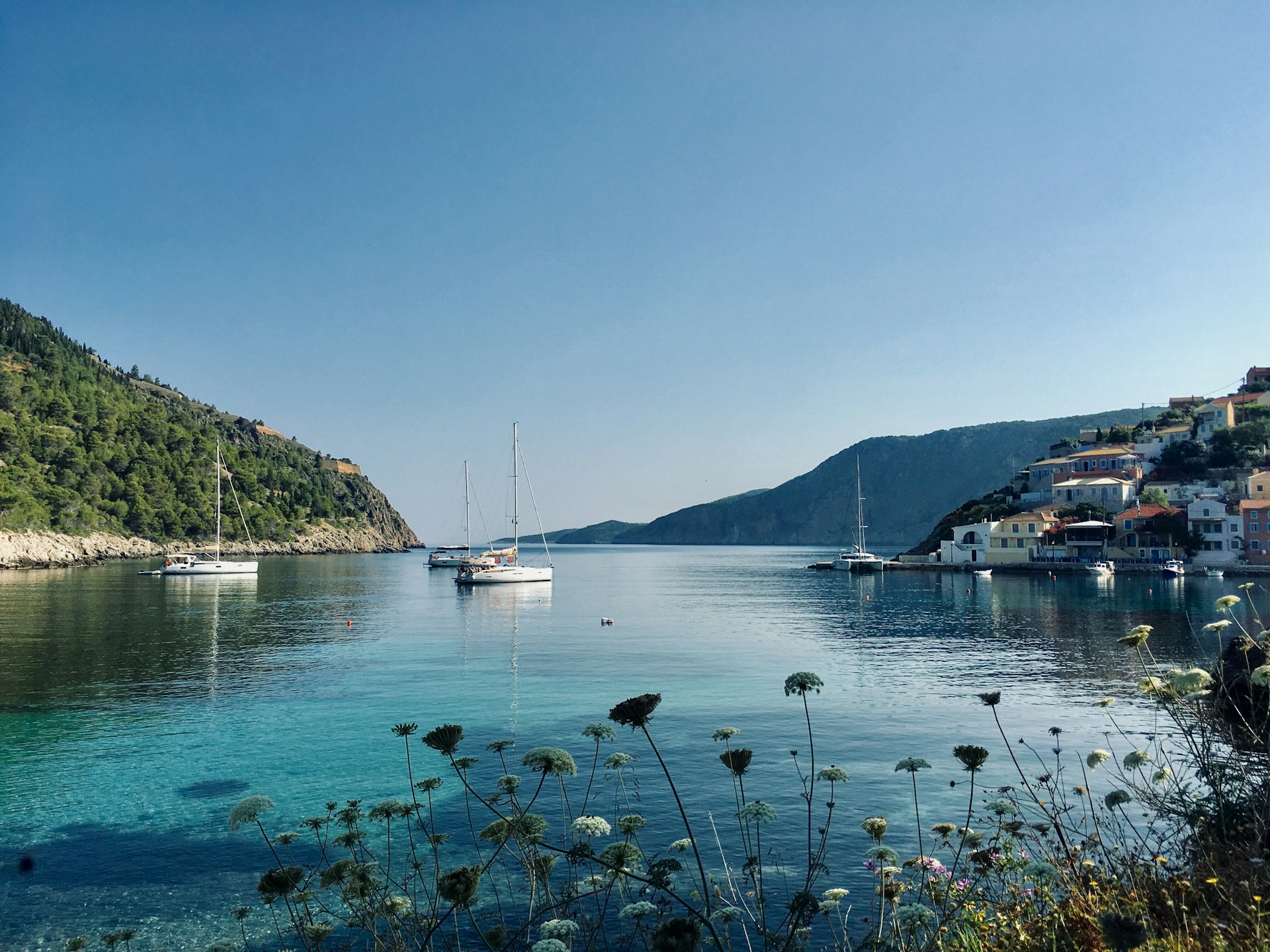
Up next on our Greece travel guide, we move west to the Ionian Islands, including Kefalonia, Corfu, Zakynthos, and Lefkada. Far removed from the glitz and glamor of Santorini and Mykonos, this part of the country is much calmer, making it especially popular with families. It’s also loved by sailors, thanks to favorable conditions, light winds, and neon blue waters.
Another standout feature of the Ionian Islands is their abundant greenery. From Kefalonia’s rolling hills to Corfu’s vast olive groves, the landscape is lush and truly impressive.
Some people describe Crete as a country within a country, and it’s easy to see why. Everything feels distinct, from the local dialect to the food and traditions. It’s actually the fifth-largest island in the Mediterranean, so there’s no shortage of things to see and do.
History buffs will have a field day, especially at the Historical Museum of Crete, where you can explore fascinating exhibits, including displays from the Byzantine period. If you’re more about the food, you’re in the right place. Cretan cuisine is seriously good, with dishes like dakos regularly stealing the spotlight.
Remember, this is an island spanning 8,450 km², so the landscapes are incredibly diverse. You can go from the dramatic Lefka Ori mountains to the glistening Balos Lagoon in a single day.
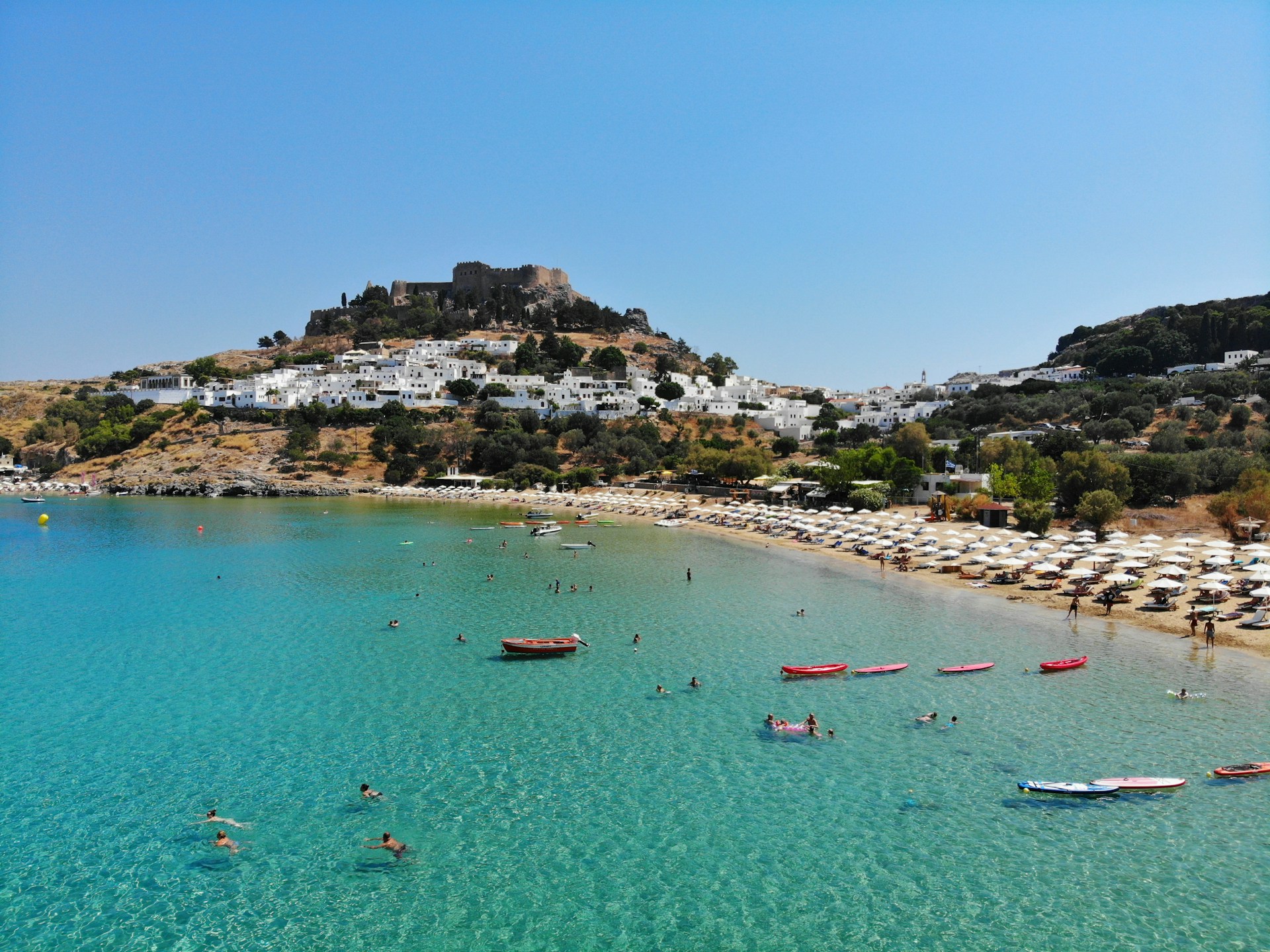
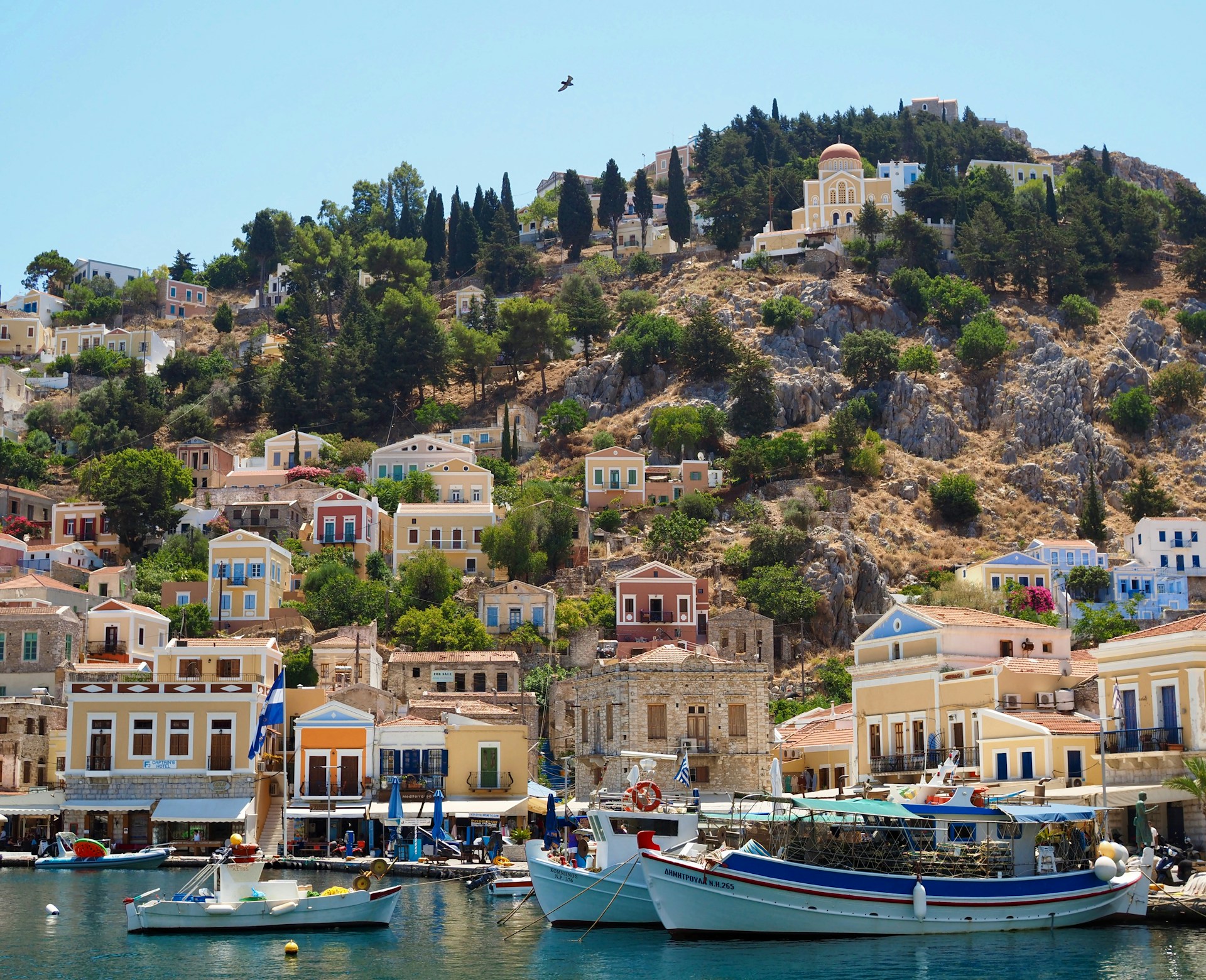
The Dodecanese are often seen as the hidden gems of the Greek islands. Names like Rhodes or Patmos don’t always top the typical Greece itinerary, but that’s exactly the appeal. This is where you’ll find a fascinating blend of Medieval history, Ottoman influence, and neoclassical elegance that feels different from the rest of the country. It’s no surprise that history lovers and culture-focused travelers make up a big part of the crowd that visits the Dodecanese.
The beaches are another major highlight. Yes, Greece is full of beautiful coastline, but Rhodes’ Tsambika Beach and Patmos’s Psili Ammos really stand out for their soft sand and that laid-back, coastal charm.
Just because the Dodecanese don’t see the same crowds as other islands doesn’t mean standards are lower. Your money tends to go further here, and with fewer tourists around, it’s easier to experience high-end villa privacy at better rates.
Deciding when to go on a Greek villa holiday is tricky. You want guaranteed sunshine, but you probably don’t want to share it with half of Europe. The good news is that Greece delivers in every season. You just need to know what works best for you.
Peak season lands in July and August, lining up with Europe’s summer holidays. The atmosphere is fantastic, with a real buzz in the air, but it has its downsides. Firstly, the heat is pretty intense. Temperatures can climb to 40°C. Then you have to take the crowds into account. You might face issues such as long queues at attractions and have difficulty finding restaurant reservations.
That’s why more travelers are turning to the shoulder months, like May, June, September, and October. The weather during this period is still warm, usually hovering between 15°C and 25°C, but without the strong heat or crowds. Prices are also more reasonable, with better villa availability. No wonder these months are often called "the sweet spot."
Winter is much quieter, but that doesn’t mean Greek travel around this period has to be off the table. If you’re more interested in culture than sunbathing, it’s a great time to explore places like Rhodes or Crete at a slower pace.
Book early: If you’re planning a Greek villa stay, book 6–12 months in advance. The best villas, especially bigger ones for families or groups, get snapped up quickly. Making reservations early gives you the widest choice and better prices.
Sort your transport: When you’re staying in a villa, a rental car is a must. Once you’re outside the main towns, public transport can be limited, but having your own wheels gives you total freedom. Also, be aware that some islands have airports, while others require a ferry connection. It's best to have the logistics nailed down beforehand, or it could be costly.
Choose the right amenities: Make sure your villa actually fits your needs. Air conditioning is non-negotiable in summer, and extras like a private or infinity pool can really elevate the trip. It’s worth checking that the property also has an official EOT license (issued by the Greek National Tourism Organization). At least then you know your booking is legitimate and that the quality and safety standards are exceptional.
Shop local: One of the perks of a villa is having your own kitchen, so use it. Head to a local farmers’ market, known as a laiki, and stock up on fresh fruit, vegetables, olives, and cheeses. The produce is usually fresher, tastier, and more affordable than supermarket options.
Use concierge services: Don’t overlook the value of a good host or concierge. They can help with everything from booking the best tavernas to organizing boat trips and private experiences. Locals tend to have the right connections, so sometimes you can even get better prices than booking on your own.
Curating the Experience: Food, Culture & Activities
A holiday should feel like yours from start to finish. That’s why shaping the experience around your tastes, like the food you eat and the activities you choose, makes all the difference.
Greece’s food scene speaks for itself. It’s loved around the world, especially simple classics like gyros and the iconic Greek salad. One night, you might be tucked into a laid-back seaside taverna with a plate of souvlaki and a carafe of wine. Then, the next, you could be enjoying a five-course dinner at your villa, cooked by a private chef.
At the end of the day, it’s the experiences that make a trip unforgettable, and in Greece, there are endless ways to spend your holiday. Charter a boat for the day, explore ancient ruins, or let your host arrange something unique like an olive oil tasting or wine experience. That’s the beauty of Greece. You can take it at your own pace and design a trip that has your stamp on it.
Ready to Find Your Dream Greek Villa?
(Photo 11).jpg604.49 KBYou really can’t go wrong with a trip to Greece, and staying in a villa only makes it better. You enjoy total seclusion, a touch of luxury, and that laid-back Mediterranean vibe the country is famous for.
If you’re traveling to Greece and have a villa stay in mind, take a look at BnB Stay’s collection of properties, with options to suit different group sizes and budgets. Whether you’re traveling as a couple, a small group, or a full family crew, there’s a place that fits exactly what you’re after.
FAQs
Is it better to stay in a hotel or a villa in Greece?
While both hotels and villas have their pros and cons, a villa usually gives you more freedom because of the additional privacy, space, and your own facilities. These are things a hotel simply can’t provide.
Do I need a car when renting a villa in Greece?
A car is generally recommended when renting a villa in Greece, though it’s not strictly mandatory. Many villas are located outside main towns, where public transport connections are limited. Without a car, getting around or even reaching your accommodation can be tricky, and taxis aren’t always easy to find.
What is the average cost of a villa holiday in Greece?
If you’re wondering “how much does it cost to rent a villa in Greece?”, it varies a lot depending on group size, location, and time of year. In the shoulder season, you might pay as little as £52 per night for each person. Booking early usually helps secure better rates.
Are Greek villas child-friendly?
Yes, most Greek villas are child-friendly. Many offer extra amenities such as cots for toddlers and indoor or outdoor play areas for older children, making them a comfortable option for families.
How do I get to the Greek islands from the airport?
Many of the islands we have mentioned in our Greece travel guide have direct connections from Athens Airport, with more frequent flights during high season. A common route is to fly into Athens and then take a short domestic flight to your chosen island. Larger islands like Corfu and Crete have direct international connections as well, so depending on where you’re flying from, you may be able to skip Athens altogether.