The best time to visit Paros is usually June or September. In June the island still looks fresh, the first proper beach days have arrived, and the summer machinery is running without yet being crowded. September keeps the warmest sea of the year and gives you back your evenings.
Paros complicates that short answer in one particular way: wind. The meltemi, the dry northerly wind of the Aegean summer, is part of the island's character, and it does not read the brochure. The same weeks that can frustrate a calm-water swimmer are exactly the weeks that kitesurfers and windsurfers plan their year around. Choosing your month is much easier once you know which of those two travellers you are.
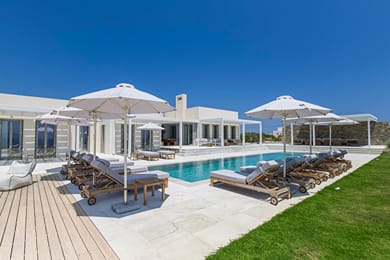
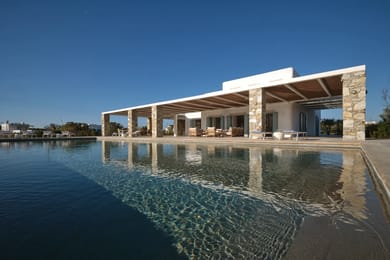
The month also decides how your base feels. A villa on Naoussa's edge, a house near Parikia and a quiet place in the south each keep different hours as the season changes, so look at the exact locations of our Paros villas and places to stay alongside the calendar rather than after it.
Start with the Kind of Paros Week You Want
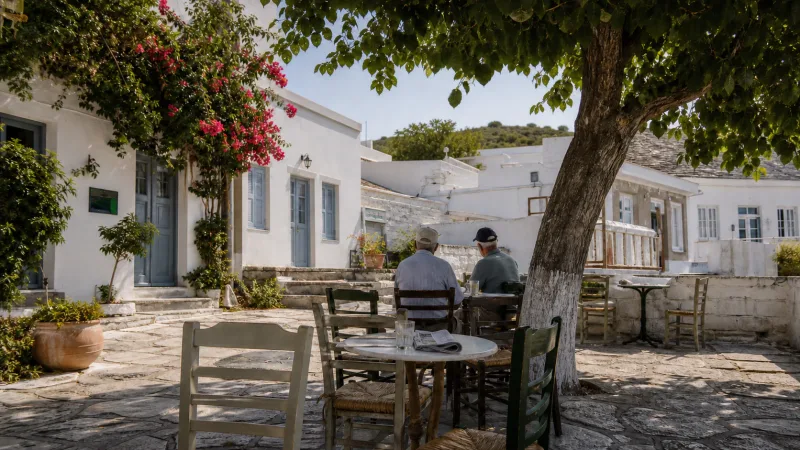
If the picture in your head is calm swimming, long lunches and an unhurried harbour evening, aim for June or September. Both give you real summer without the compressed feeling of the school-holiday weeks.
If you want Paros at its most animated, choose July or August. Naoussa's small harbour is at its liveliest, every beach has its full summer character, and the island rewards people who enjoy being where things are happening. The cost is forethought: ferries, tables and the best-located stays all need booking earlier.
If you are coming to ride the wind, the calculation flips. The strongest, most reliable meltemi weeks sit in the middle of the summer, and the island's kite and windsurf schools run their published seasons from early summer well into the autumn.
If quiet matters more than swimming, the months from October to Easter are the honest choice, provided you are happy organising your own days while parts of the island rest.
Late Spring and June for a Greener, Easier Island
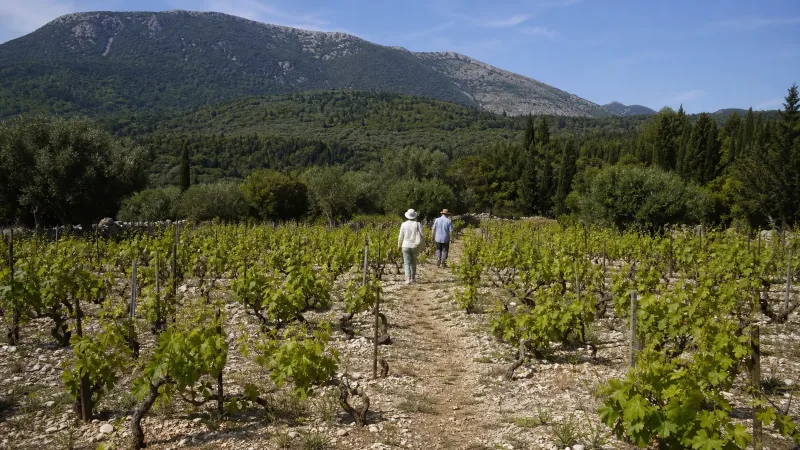
Paros in late spring is a different island from the one in August photographs. The hills still hold green, walking between the inland villages is a pleasure rather than an endurance test, and Naoussa and Parikia feel like working towns that happen to have visitors.
One honest caveat: the sea lags behind the sunshine. May can look like full summer from a terrace while the water is still brisk enough to make swimming a short, determined event. The sea warms steadily through June, which is part of why June is the balanced choice rather than May.
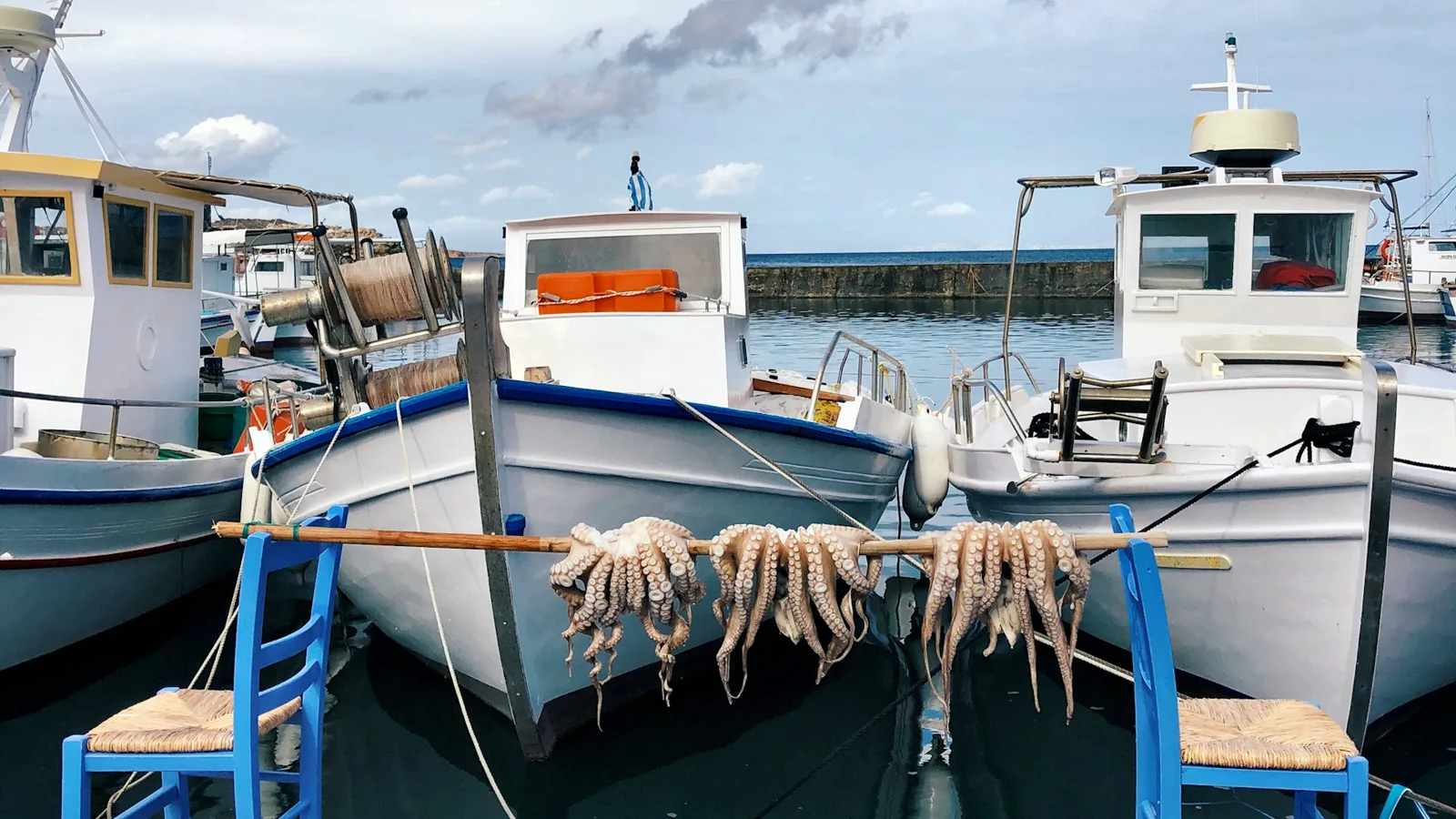
By June the island is properly open. Beach tavernas have found their rhythm, the boat services are running, and you can still get a table by Naoussa's old port without treating dinner as a project. If your dates are flexible, the second half of June is about as good as Paros gets for a first visit.
July and August Are the Fullest Weeks, and the Windiest
High summer on Paros is a definite choice rather than a mistake. The island is at its most open and most social, and nothing about it is asleep. But two things shape those weeks, and both are worth respecting.
The first is the meltemi. It blows through the Aegean summer, roughly June to September, and its strongest stretch usually falls between the middle of July and the middle of August. It is not a light sea breeze. At the end of July 2026, forecasters at the National Observatory of Athens measured one of the strongest meltemi spells in fifteen years across the Aegean. On the ground it means whitecaps on the exposed coasts, sandblasted shins on the wrong beach, and the occasional rearranged ferry. The practical response is simple: let the wind choose the day's beach. Which coasts hide from the northerlies is a location question, and our guide to where to stay in Paros covers it properly.
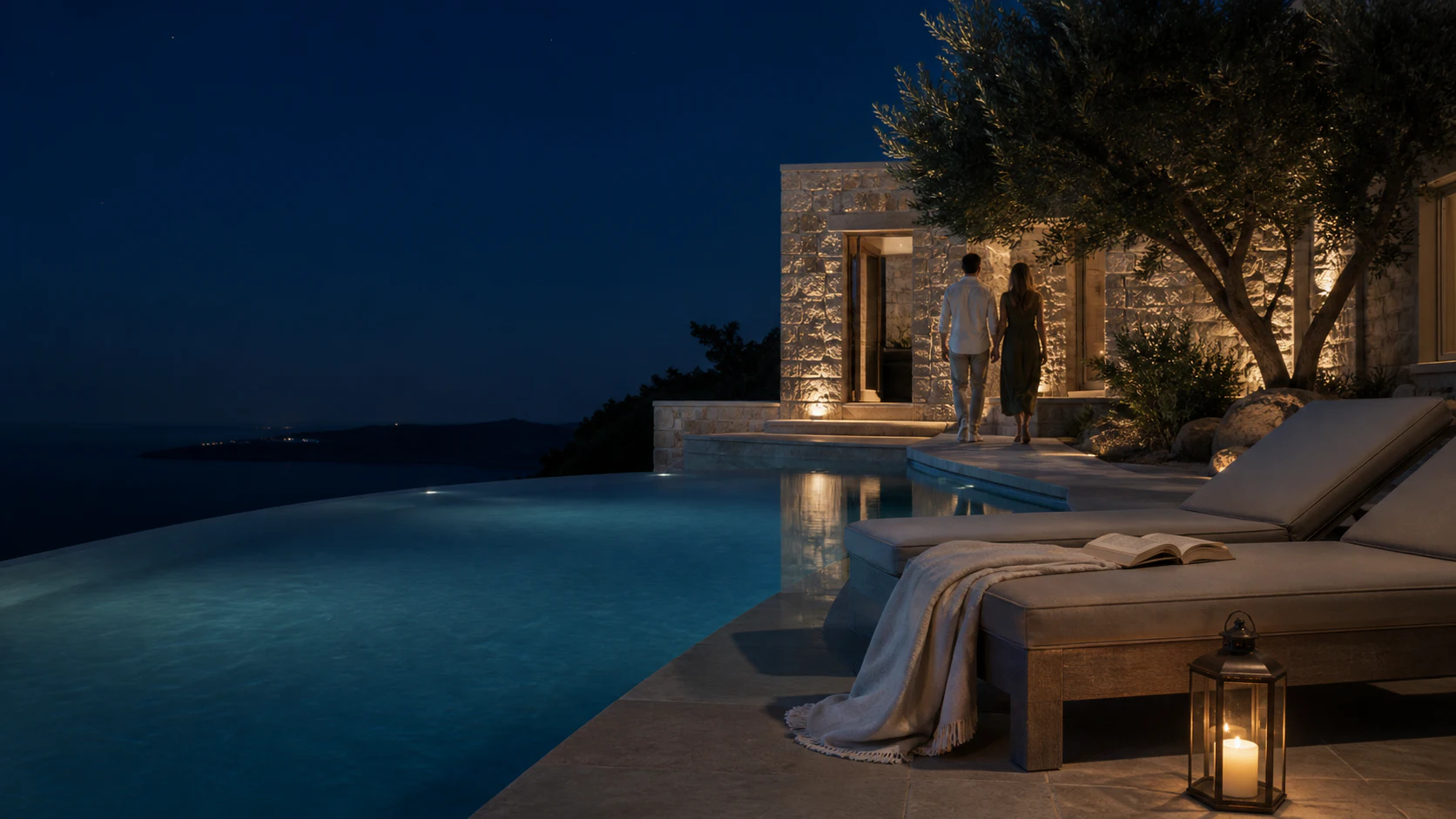
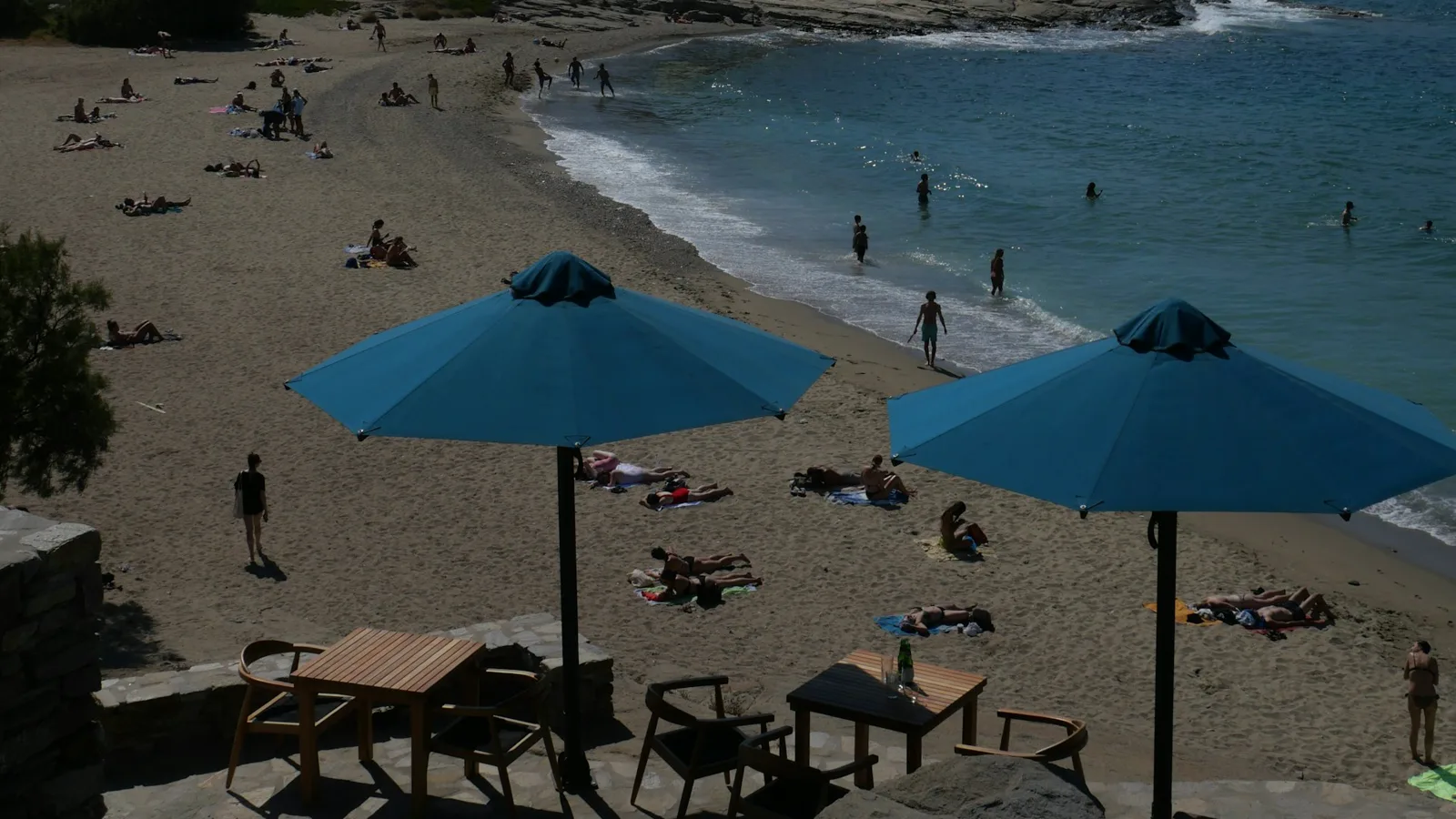
The second is company. Paros has become one of the busiest islands in the Cyclades: Greek press, citing the country's hotel chamber, reported a record year in 2025 with arrivals approaching a million. In August that pressure is concentrated into a few weeks. None of this ruins the holiday, but it does change how you plan one. Book the base early, book the dinner you care about, and treat a villa with a private pool as the sensible answer to the hottest hours rather than an indulgence.
The Fifteenth of August Is Its Own Occasion
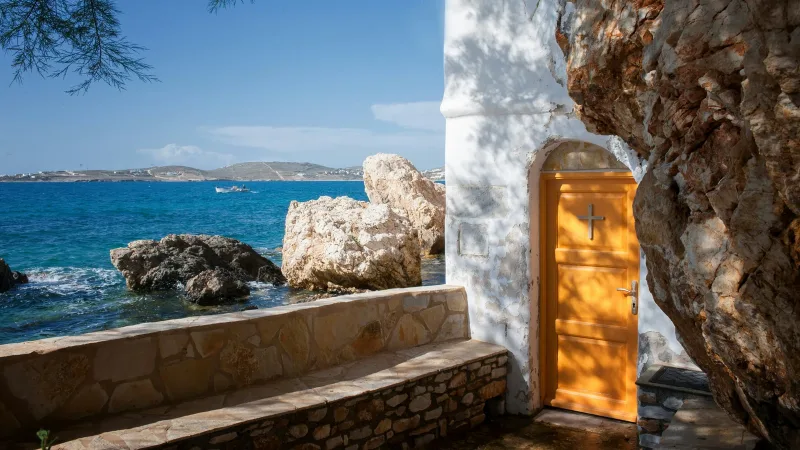
If your dates include mid-August, one day deserves separate planning. The feast of the Dormition of the Virgin on 15 August is centred on Panagia Ekatontapiliani in Parikia, one of Greece's oldest working churches, and it is among the most important religious days in the Cyclades. There are vespers and a procession of the icon through the town, and in the evening the bay answers with fireworks and flares from the boats.
It is a genuine highlight, and it is also the single fullest moment of the Paros year, falling in the middle of the Greek holiday month. Either come for it deliberately, booking well ahead and accepting the crowds as part of the occasion, or let the middle weeks of August pass and take the quieter reward either side.
September Brings the Warmest Sea and Easier Evenings
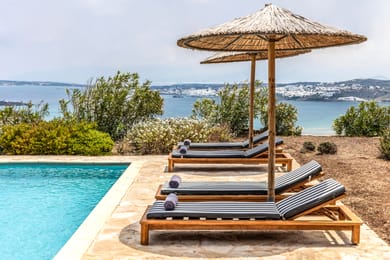
The sea around Paros is at its warmest from late summer into September, which surprises people who assume June water matches June sunshine. Come in September and you swim in the summer's accumulated warmth while the middle of the day loses its hardest edge.
The island stays fully open. The difference is the pace: the harbour tables turn over more gently, the beaches breathe again, and the evening stops being something you schedule around the heat. The wind also eases as the summer winds down, although Paros is never entirely without it.
If the Wind Is the Point, Come When Others Hesitate
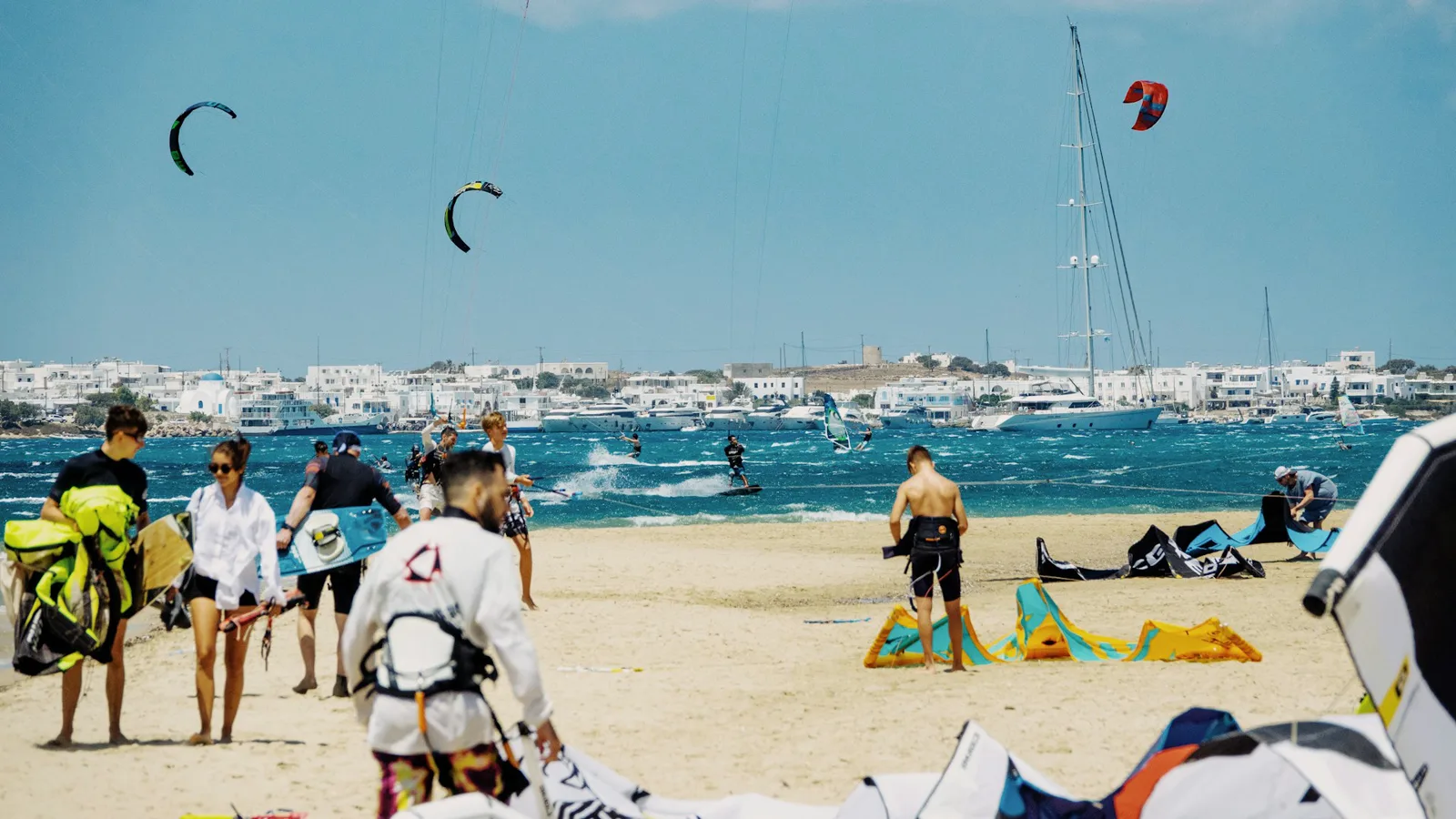
Paros is one of the Aegean's genuine wind-sports islands, and that community reads this whole calendar in reverse. Pounda on the west coast, facing Antiparos across a narrow strait, is the kitesurfing hub, with schools teaching beginners as well as serving experienced riders. Golden Beach and New Golden Beach on the south-east coast are the windsurfing side, and they have hosted professional windsurfing events over the decades.
The schools' own published seasons run from early summer well into November, with the prime riding in the strongest meltemi weeks of July and August. If that is your holiday, the advice in the rest of this guide inverts: the windiest fortnight is the reservation to fight for.
One warning for everyone else, because the names genuinely confuse people: Pounda kite beach on the Antiparos side is not the Punda beach club on the east coast. One exists because of the wind. The other is sheltered from it.
October to Easter Is the Quiet Paros, and It Stays Reachable
Getting to Paros does not collapse with the season. The island keeps year-round flights from Athens through its small domestic airport and year-round ferries from Piraeus, with the summer's extra sailings falling away. That makes the quiet months more practical here than on islands that effectively close their connections.
The island itself does slow down. Many beach places and a share of Naoussa's restaurants shut or shorten their hours, and the weather turns mixed, mild by British standards but no longer a beach forecast. A winter stay suits people who like walking, cooking and having villages to themselves.
Orthodox Easter is the one date in this half of the calendar worth planning around, and it moves: 12 April in 2026, 2 May in 2027. Holy Week at the Ekatontapiliani is a serious occasion rather than a visitor performance, and spring around Easter shows the island at its greenest.
Our Simple Recommendation
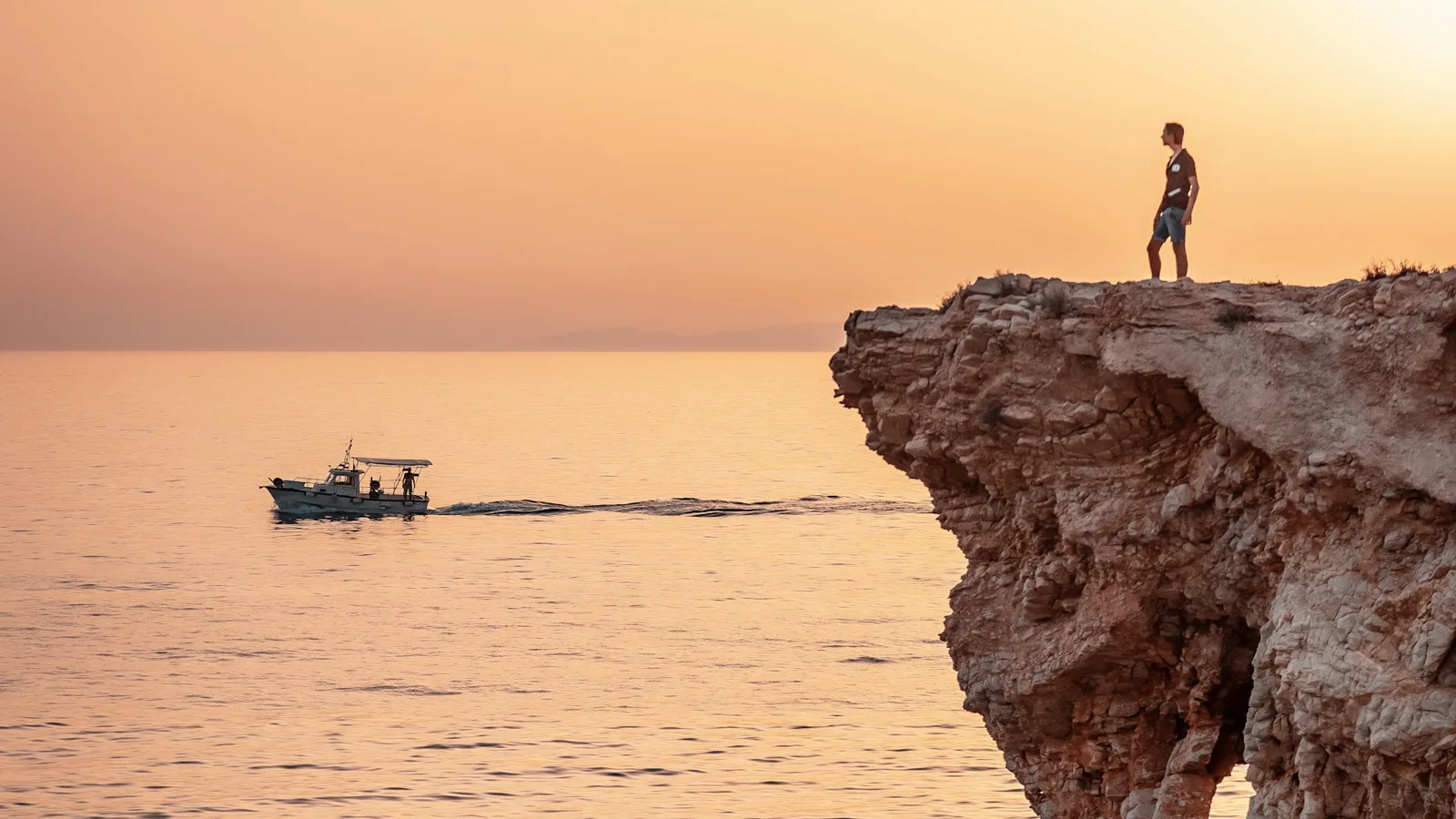
For most first visits, choose the second half of June or September. June gives you the greener island, the first proper swims and the easiest evenings. September gives you the warmest sea and a calmer version of everything summer promised.
Choose July or August if you want the full performance and are willing to book like you mean it. Choose the same weeks, deliberately, if you are coming for the wind. Come for 15 August only on purpose. And keep October to Easter for the version of Paros that belongs mostly to the people who live there.
If your only free weeks are in August, do not talk yourself out of it. Book the base early, expect company, and let the wind pick each day's beach. When you are ready to match a month to a house, compare our Paros collection by exact location, or send us your dates and priorities and we will tell you honestly which part of the island suits them.