There are enough things to do in Paros to fill a fortnight. On a first visit, make time for four: a slow morning in Parikia, an evening around Naoussa's old harbour, half a day in the inland villages, and one beach or boat day chosen for the weather. That is enough to understand the island without spending the week racing through somebody else's checklist.
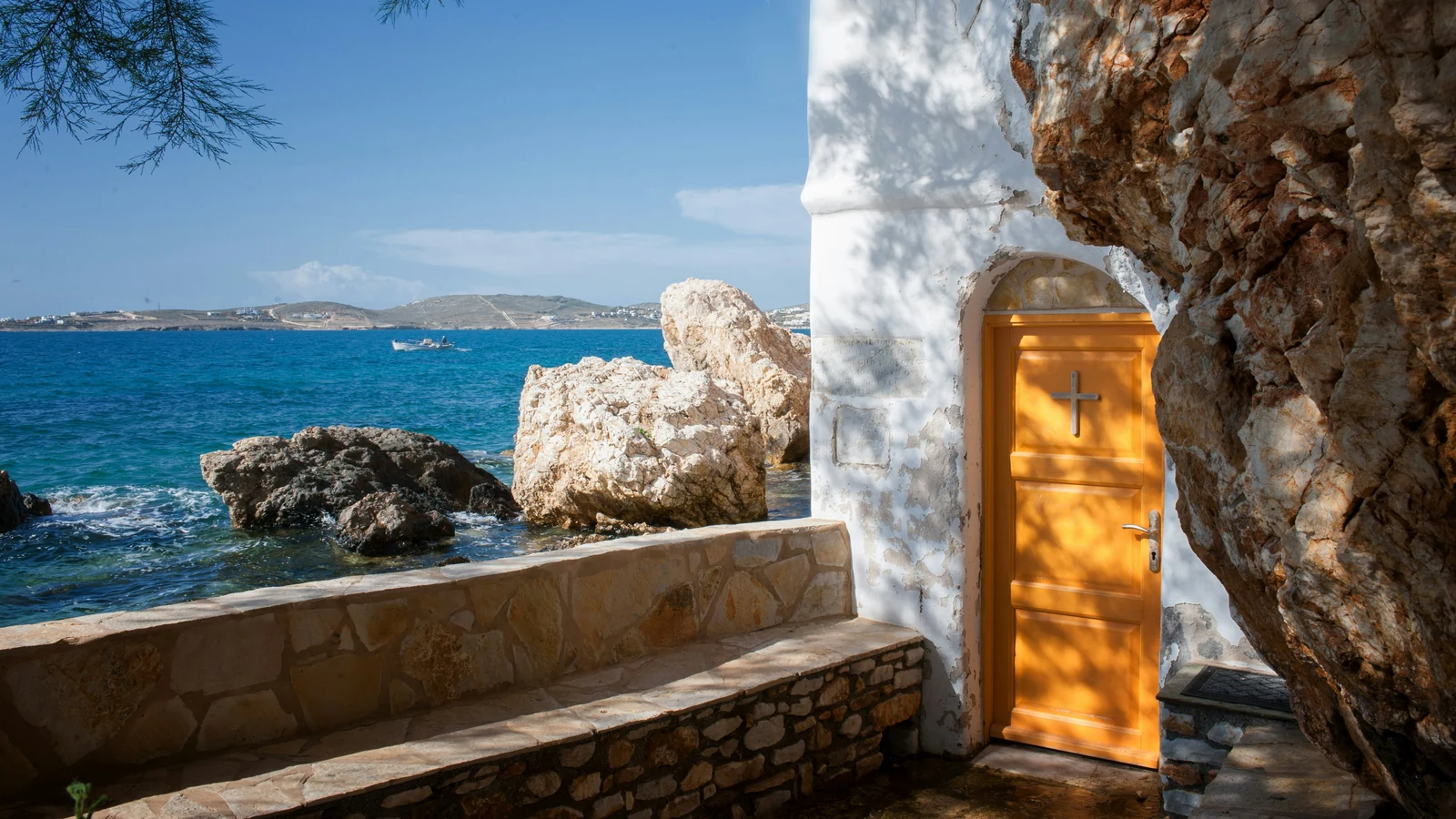
The temptation is to collect beaches, villages and sunset tables as if they were stamps. Paros is better when the days have some space in them. A church doorway you nearly walked past, a coffee that becomes lunch, or the fishing boats returning to Naoussa can say more about the island than five rushed stops.
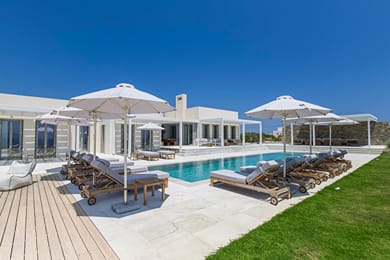
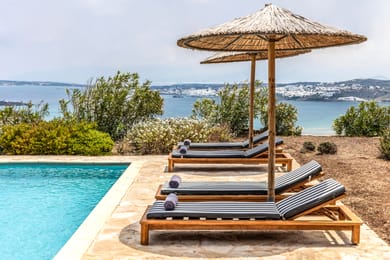
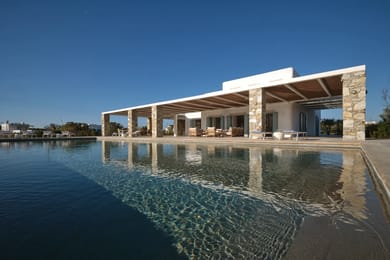
Where you stay changes the order. Parikia is the easiest starting point for ferries and the west; Naoussa suits travellers who care about dinner and evening atmosphere; the east and south make a beach-first week simpler. Our guide to where to stay in Paros compares those bases properly, while the Paros collection lets you see the actual locations rather than choosing from a map in the abstract.
The Shortlist: Four Things Worth Making Time For
First, walk Parikia before the lanes become hot and busy. The old town begins almost behind the ferry port, but it feels more settled once you leave the waterfront. Panagia Ekatontapiliani, one of Greece's oldest working churches, is the landmark that deserves more than a photograph from the door.
Second, go to Naoussa while the harbour is still a working place and stay as it changes into the evening. Third, leave the coast for Lefkes and the old villages around it. Fourth, give a whole day to the sea, but choose one version of it: swimming, a boat, or a long beach lunch. Trying to do all three usually turns the best day of the week into its most organised.
Antiparos is the possible fifth, not the automatic one. It earns a day when you have four or five days on Paros; on a short stay it can simply become another ferry and another clock.
Start in Parikia Before You Rush to Naoussa
Parikia is often treated as the place where the ferry arrives. That misses the point. Behind the port, the lanes fold around old houses, small chapels and the remains of the Venetian castle, built with stone reused from earlier buildings. There is enough history here to fill a morning without turning the day into a museum tour.
Start at Ekatontapiliani while it is quiet. The church is not a decorative stop; it remains a place of worship and one of the Cyclades' important pilgrimage sites, especially around 15 August. Dress and behave accordingly, then allow yourself to wander rather than following the shortest line back to the waterfront.
Parikia also gives a first-time visitor useful bearings. You see the ferry traffic, the sheltered bay and the island's everyday logistics in the same hour. It is a good antidote to the idea that Paros consists only of photogenic alleys and beach clubs.
See Naoussa Change Pace Around the Harbour
Naoussa is at its best during the handover between afternoon and evening. Arrive early enough to see ropes, nets and fishing boats before the harbour tables fill. Then walk beyond the most photographed corner. The lanes behind it are small, busy and imperfect, which is precisely why they work.
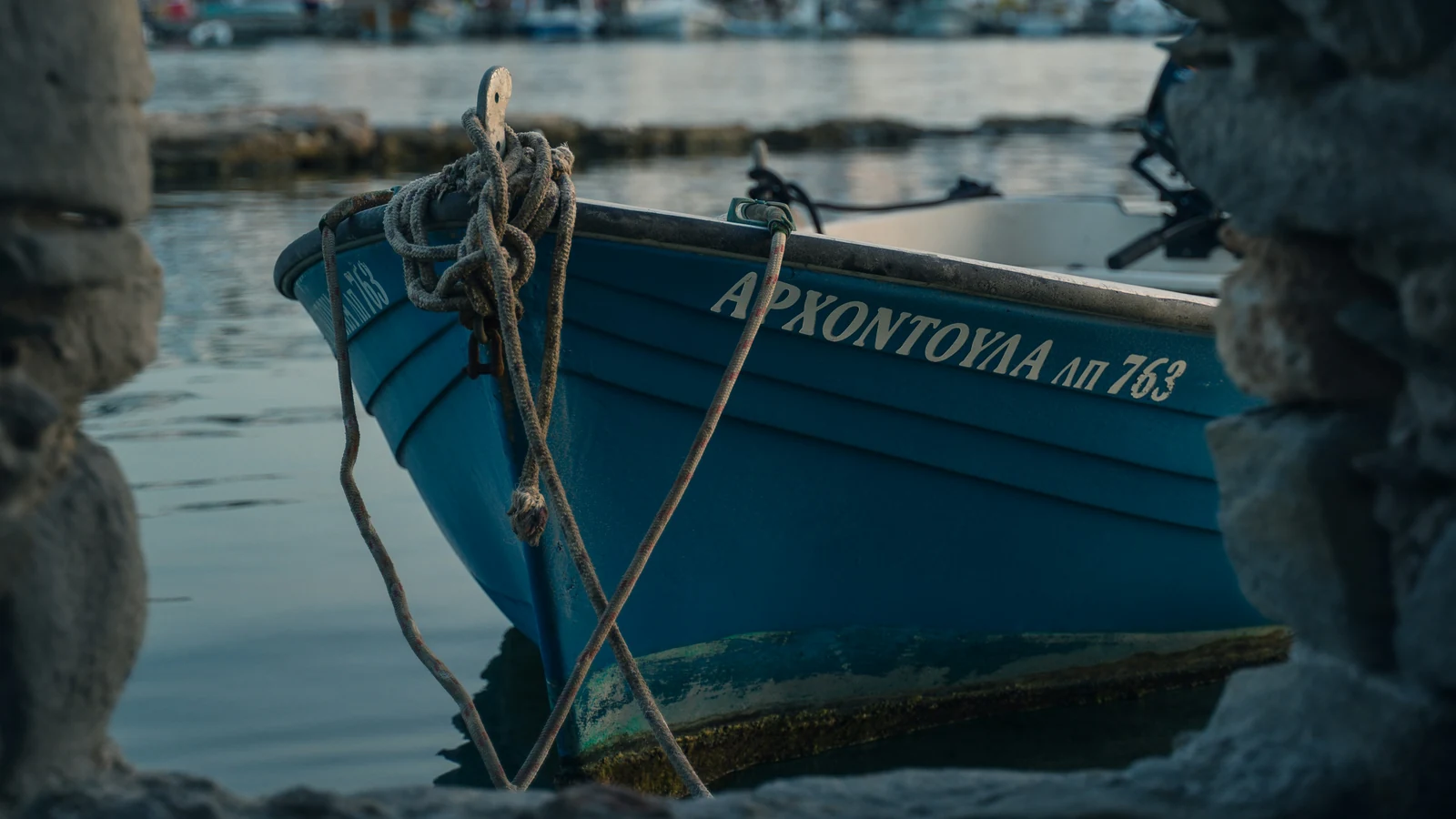
The mistake is arriving only for a reservation, taking the same harbour photograph as everybody else and leaving. Give the town two or three hours. Have a drink, walk to the edge of the old port, and decide where to eat after seeing which streets feel too busy and which still have a little air.
In July and August, book any dinner you would be genuinely disappointed to miss. In June and September, it is easier to let the evening decide. The difference between those months is covered in our guide to the best time to visit Paros.
Spend Half a Day Inland
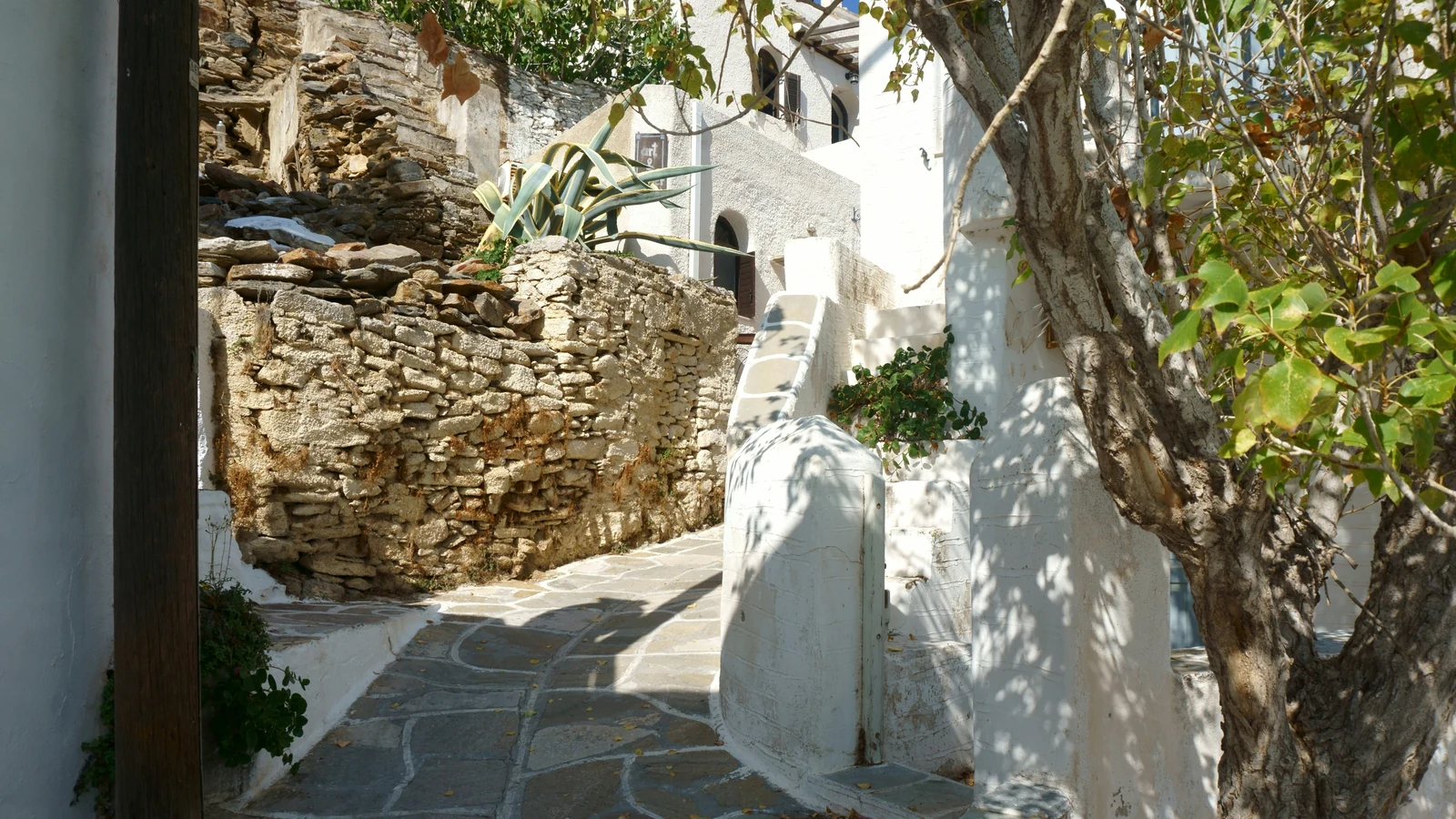
The inland villages are not a consolation prize for a windy beach day. Lefkes, the former capital, sits among hills rather than facing the water and shows a quieter, older Paros. Its lanes climb, turn and occasionally end somewhere you did not expect. That is part of the pleasure, although sensible shoes help on polished stone.
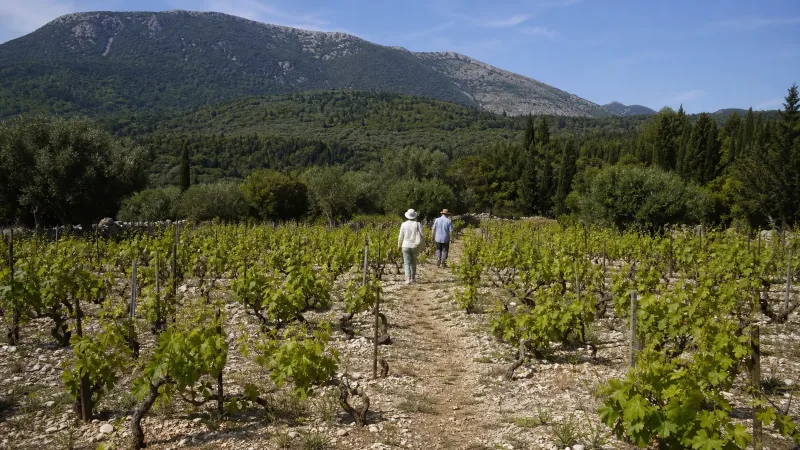
If the weather is kind, follow part of the Byzantine Road from Lefkes towards Prodromos. It is an old paved route through olive groves, low stone walls and open country. You do not need to turn it into a long-distance walk. Even a shorter out-and-back section changes the scale of the island after two days on the coast.
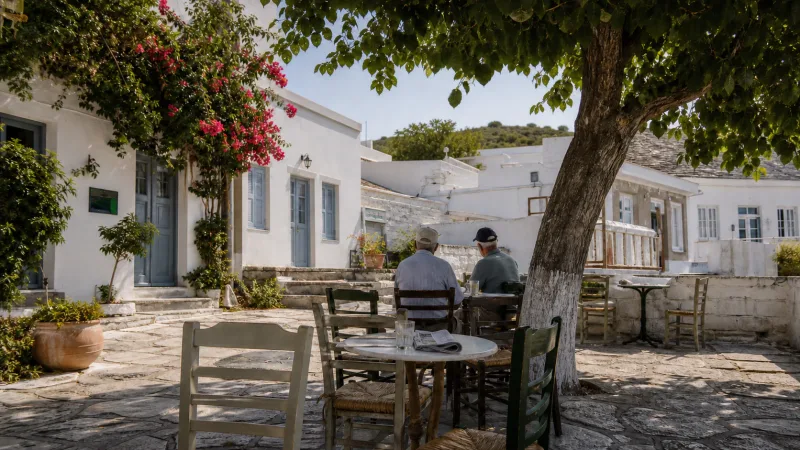
Prodromos and Marpissa are worth adding if you have a car and are in no hurry. Choose one coffee stop and walk properly; do not drive into every village, circle for parking and count each one as visited. The pleasure is in the small details: shade under an arch, worn marble, a doorway left open for air.
Choose One Proper Beach or Water Day
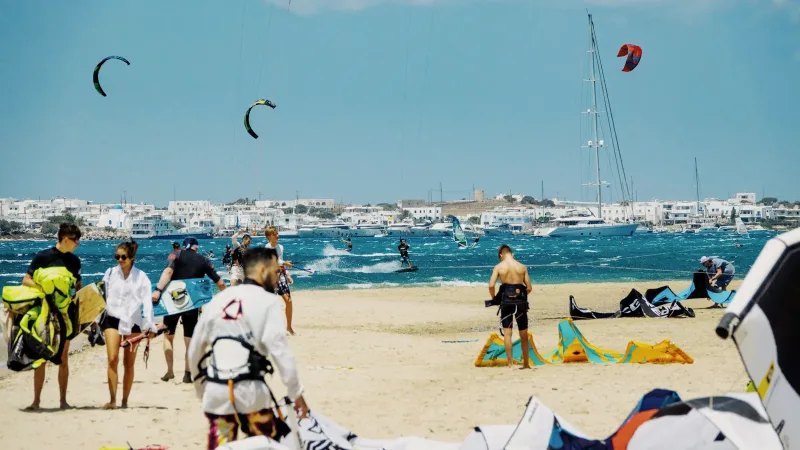
Paros has enough distinct coasts to make a “best beach” list almost useless. Kolymbithres has sculpted granite and small coves; Golden Beach has a longer, more open sweep and a strong wind-sports identity; the south offers calmer-looking bays such as Faragas and Aliki. The best choice is the one that fits the day's wind and the people travelling with you.
The meltemi can be a serious northerly in high summer. A beach that looked perfect online may be uncomfortable on the day, while another coast remains workable. Ask locally, look at the actual forecast and be willing to change plan. If swimming matters most, do not reserve every day before you arrive.
A boat day is worthwhile when you want the coastline rather than another sunbed. The west coast and the channel towards Antiparos offer a different view of Paros's low, dry land. Choose a properly licensed operator, confirm what is included and leave a weather buffer. The sea does not owe you the day printed on the booking.
Add Antiparos Only If You Have the Time
Antiparos is close enough to seem compulsory. It is not. The short crossing from Pounda makes it easy, but a good visit still deserves most of a day once you include the drive, waiting and the fact that Antiparos Town is much nicer when you are not watching the clock.
For a stay of four nights or more, take an unhurried day: walk the main town, continue to a beach if the wind suits it, and come back without engineering the last possible connection. If you have only two or three full days, Paros itself has more than enough. Save Antiparos as a reason to return.
A Realistic Three-Day Order
On day one, begin with Parikia and Ekatontapiliani, then settle into your base rather than adding another town. If you are staying near Naoussa, make that your evening.
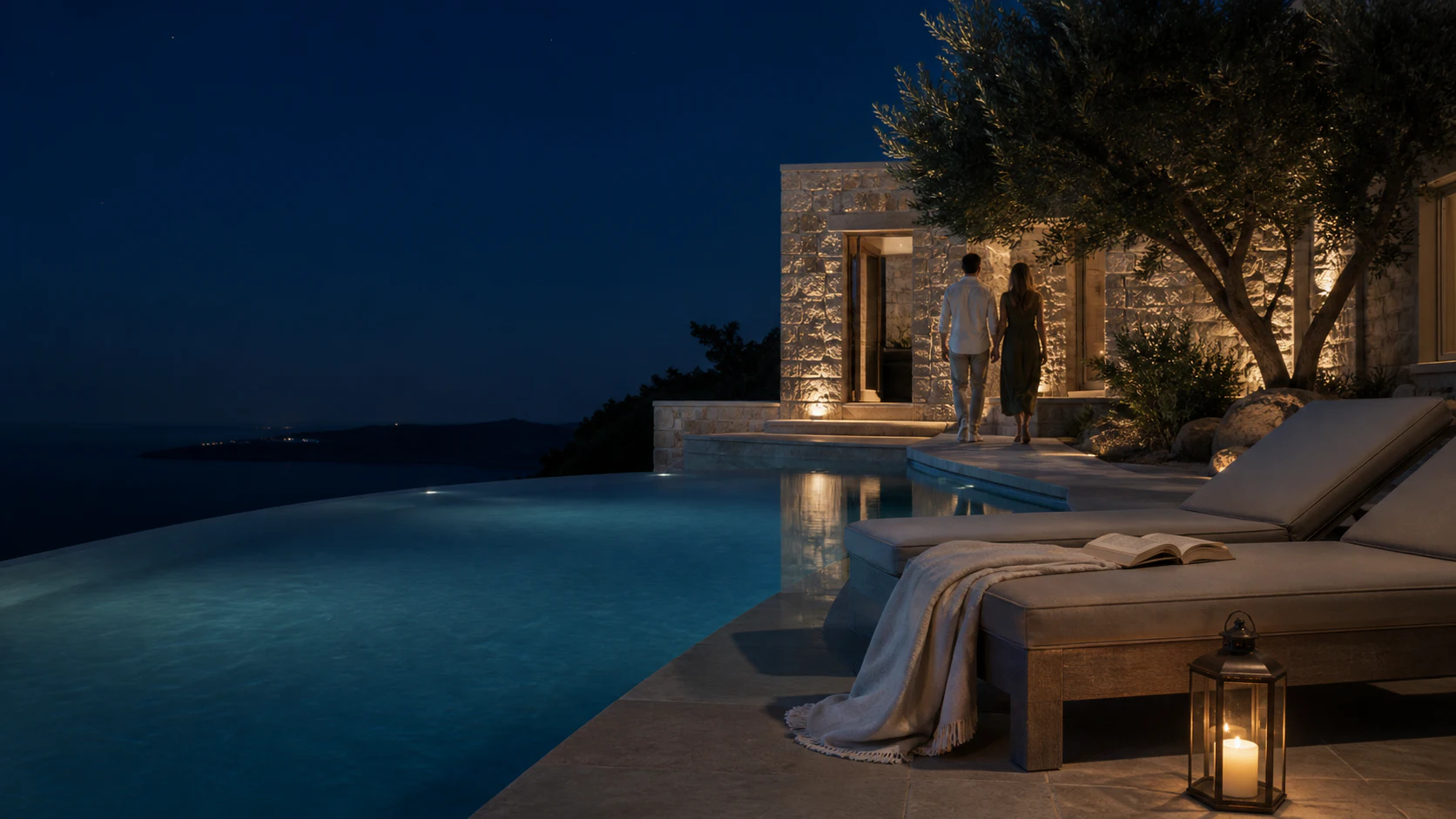
On day two, let the forecast choose between the beach and the boat. Keep the evening open. A day on the water is more tiring than it looks, and the villa terrace may be the right answer.
On day three, go inland before the heat builds. Walk in Lefkes, take a section of the Byzantine Road if conditions suit, and add Prodromos or Marpissa only if the day still feels generous. This order gives each side of Paros its own space: town, sea and interior.
What We Would Leave for Another Visit
We would not try to visit Parikia, Naoussa, Lefkes, Antiparos and three beaches in one day. It is technically possible and editorially popular; it is also a poor way to spend a holiday.
We would skip a famous beach when the wind is wrong, however impressive its photographs. We would not drive across the island for a restaurant merely because it appeared on a list. And we would not treat every white lane as a sight that needs documenting.
The point of a first visit is not to finish Paros. It is to discover which version of the island you want more of. Once you know whether that is harbour evenings, inland quiet, wind sports or long swimming days, choosing the right part of the Paros villa collection becomes much easier. If you want help matching the plan to a base, tell us who is travelling and what matters most.